Dog dental chews & sticks, do they actually work?
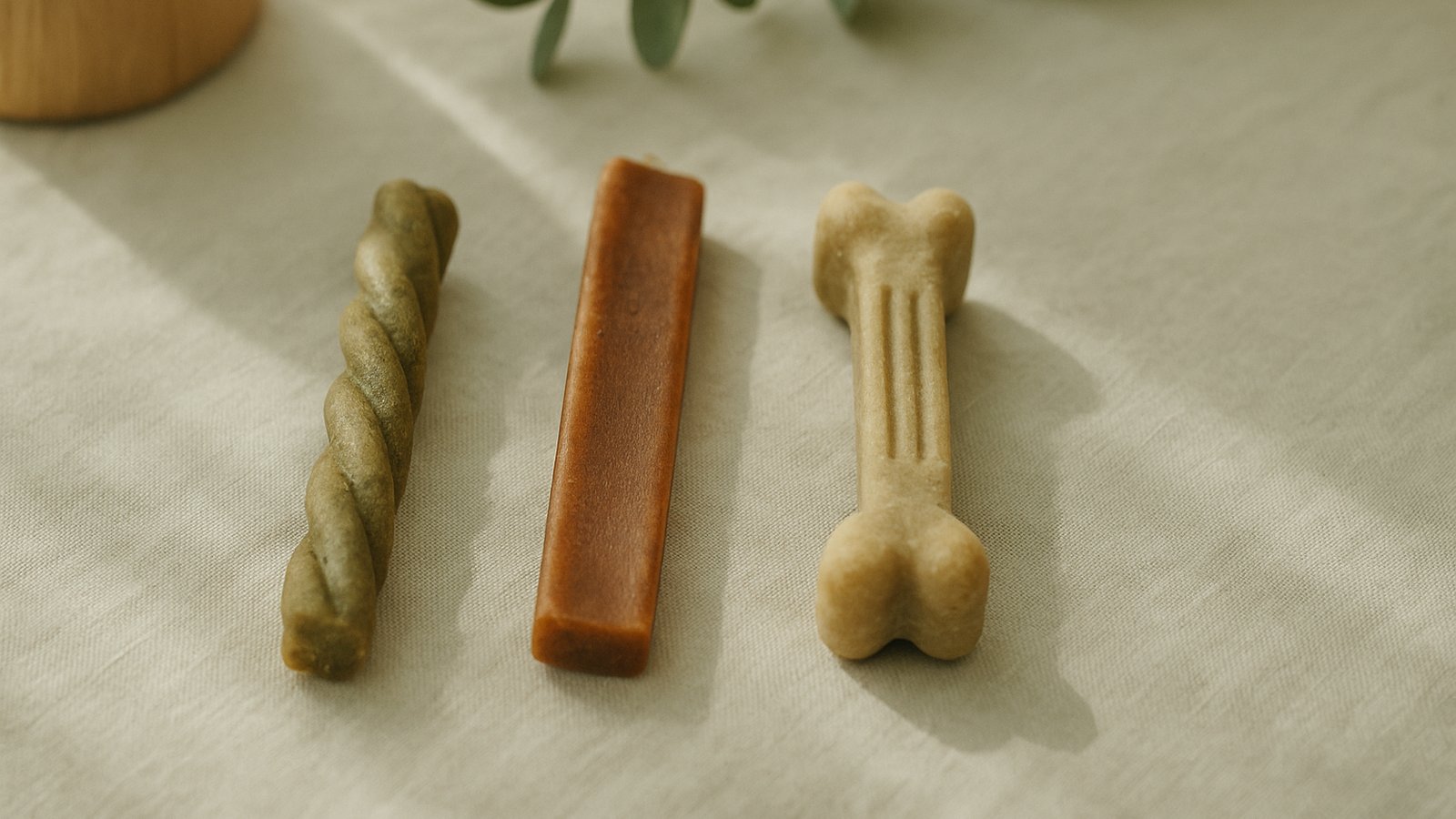
Dental chews and sticks line every Australian pet shop shelf with bold claims about plaque, tartar and breath. Some genuinely help. Most are biscuits in a sciencey wrapper. Here's how to tell the difference, what to look for, and where chews fit into proper dog dental care (mostly: not as a substitute for the bit you're avoiding).
Do dental chews actually clean teeth?
Some do. Many don't. Simplest filter: the VOHC seal, the Veterinary Oral Health Council reviews dental products and awards a seal to those that demonstrate measurable plaque or tartar reduction in trials. A product without a VOHC seal hasn't been independently shown to do what it claims. Consider it the dental equivalent of "as seen on TV".
Even VOHC-approved chews aren't a substitute for a real professional dental clean. They reduce build-up at the surface. They don't remove tartar already calcified onto teeth, and they don't reach below the gumline, which is exactly where periodontal disease starts.
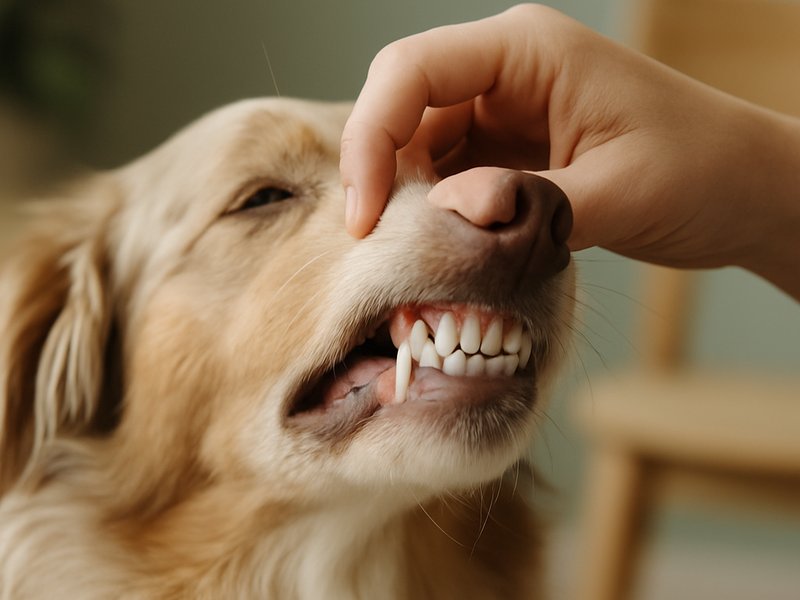
How dental chews work
Two mechanisms:
- Mechanical action. The chewing motion plus the texture of the chew scrapes plaque from tooth surfaces.
- Chemical action. Some chews contain ingredients (sodium hexametaphosphate, zinc, certain enzymes) that bind calcium in saliva or interfere with plaque formation.
Mechanical part is real, anything a dog chews rubs against teeth, but the effect depends on how long they chew, what surfaces of the tooth get contact, and whether the chew is the right texture. A chew swallowed whole in 30 seconds does almost nothing for teeth. (Looking at you, Labradors.)
What to look for
- VOHC seal of acceptance, the gold-standard endorsement
- Right size for your dog, too small is a choking hazard, too large is intimidating and goes uneaten
- Texture that requires real chewing, should take at least a couple of minutes, not gulped
- Reasonable calorie content, many chews are 100 to 200 calories, which is significant for a small dog. Adjust meals.
- Limited ingredients, fewer fillers, artificial colours and preservatives are easier on sensitive stomachs
- Australian-made or imported with clear ingredient labelling
Dental chews vs dental sticks
Dental sticks
Long, thin, often grain-based. Made to be chewed end-to-end. The most common type sold in Australian supermarkets and pet stores. Quality varies widely, some have VOHC approval, many don't. Texture is usually softer than dental chews.
Dental chews
Thicker, denser, often shaped to engage the back teeth. Marketed as longer-lasting. Usually higher protein content. Some are made of rawhide (controversial, see below); others are vegetable-based or rubber.
Dental treats
Broader category that includes biscuits and bones marketed for dental health. Hard biscuits and small bones offer minimal real cleaning unless they take effort to chew.
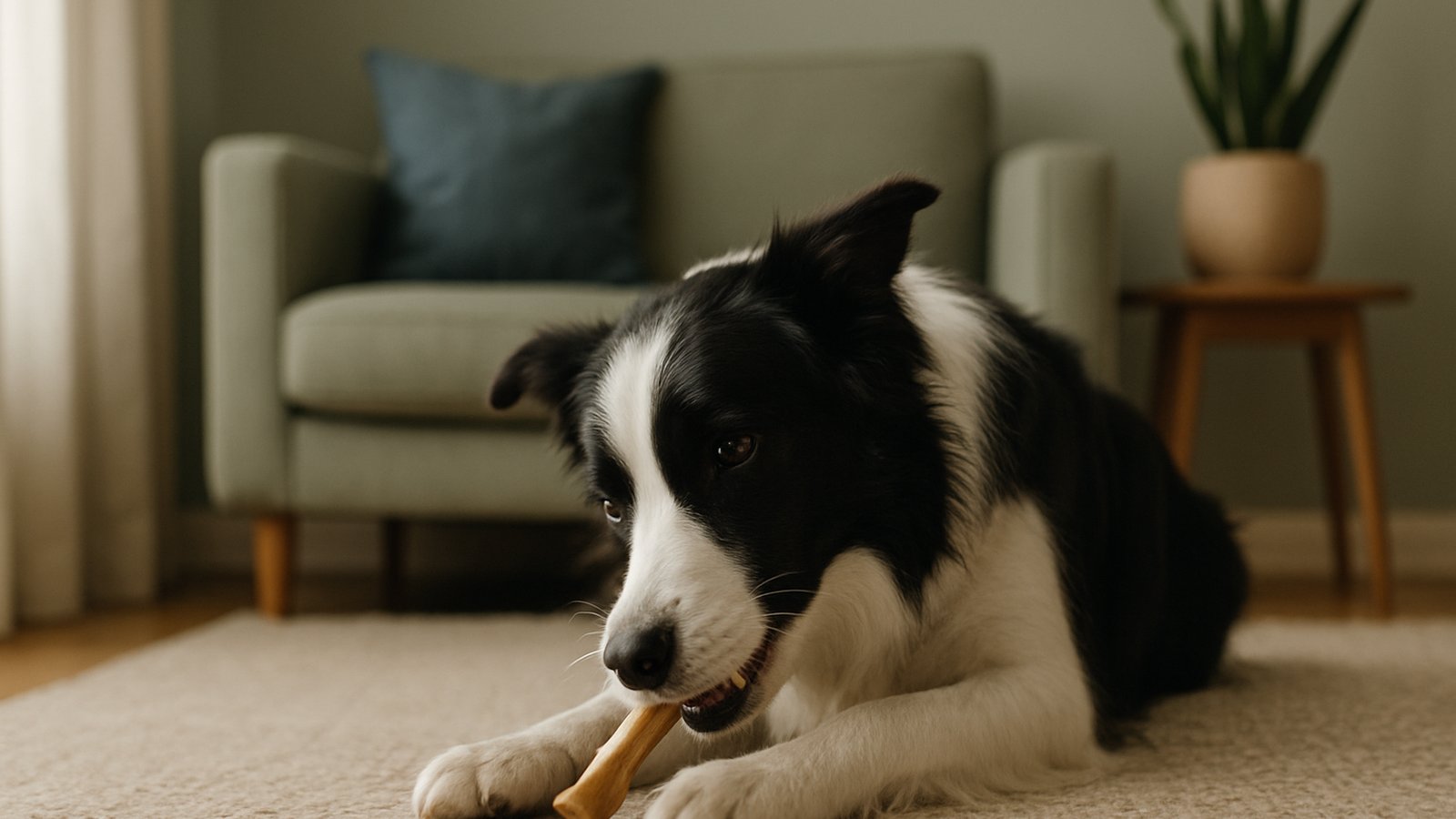
Risks
Choking
Single biggest risk. Dogs swallow large chunks they should be chewing. Always choose a chew larger than your dog's bite, and supervise the first few sessions to learn how aggressively they go at it. If your dog wolfs treats whole, dental chews aren't for you. (We've removed many things from dog throats. Most of them were "safe" right up until they weren't.)
Calorie overload
A 30g dental stick can be 100 calories, half a small dog's daily allowance. Daily chews without adjusting meals contribute directly to weight gain, which is its own vet-bill pipeline.
Tooth fractures
Hard chews, antlers, hooves, very dense bones, break teeth. Dogs are presented at clinics constantly with slab fractures of upper carnassial teeth from chewing on something too hard. Rule of thumb: if you can't make a dent in it with a fingernail, it's too hard.
Rawhide concerns
Rawhide chews can be a choking hazard or block the gut if a large piece is swallowed. Some imported rawhide is treated with chemicals owners would prefer their dog didn't eat. Australian-made rawhide is better than uncertified imports, but many vets recommend skipping rawhide entirely.
Ingredient sensitivities
Some dogs react to chicken, beef, grain or specific preservatives in dental chews. If your dog has a sensitive stomach or itchy skin, watch for changes after introducing a new product.
Where chews fit in real dental care
Think of dental chews as the gym membership card on the fridge, useful only as part of a bigger plan. The dental care that actually works for dogs:
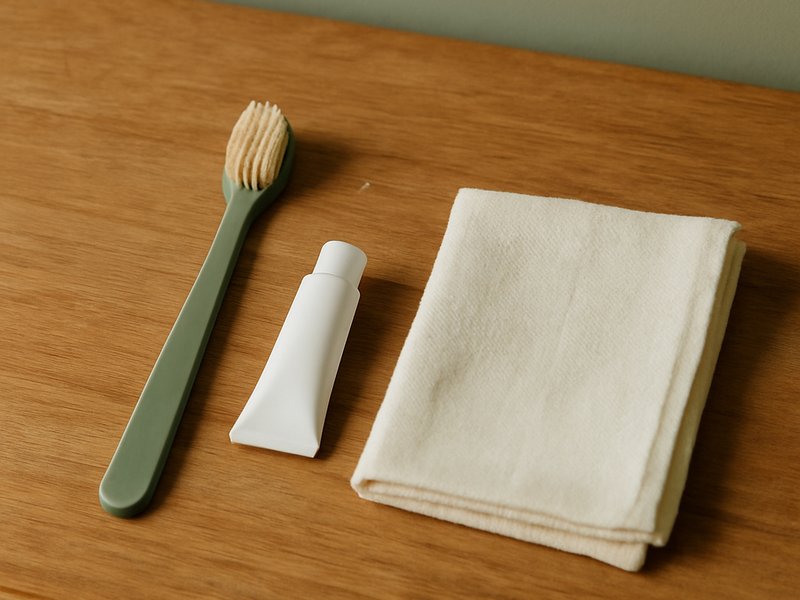
- Daily tooth brushing with dog-specific toothpaste (never human toothpaste, fluoride is toxic to dogs). Even three times a week makes a measurable difference.
- Annual or biennial professional dental cleaning under anaesthesia. Only reliable way to remove tartar and check below the gum line.
- Diet, some prescription dental diets are VOHC approved and help maintain dental health between cleans.
- VOHC-approved chews and treats as a supplement.
- Regular vet checks that include a thorough mouth exam.
Owners who skip steps 1 to 3 and rely on chews alone end up with dogs needing extractions at 6 years old. Dental disease is the most common chronic disease in adult dogs in Australia, and it's mostly preventable with proper care. The vet payment plans guide covers what extractions actually cost when prevention slips.
Picking by dog size
- Toy and small dogs (under 10kg). Small VOHC chews, soft enough to chew but firm enough to require effort. Watch calorie content closely.
- Medium dogs (10 to 25kg). Mid-size dental chews. Look for ones engaging the molars at the back of the mouth.
- Large dogs (25 to 40kg). Large VOHC chews. These dogs often chew thoroughly. Avoid hard chews like antlers.
- Giant breeds (over 40kg). Many dental chews are too small to be safe. Look at large breed-specific products. Brushing matters more for these dogs because their dental disease tends to be hidden under big jowls.
Want to understand your dog's mouth better? See the dog dental chart for which teeth do what, useful for understanding where chews actually contact teeth. (Spoiler: usually not the back ones, where most disease lives.)
A dental chew is a sidekick, not a hero. Your dog's teeth need brushing, vet checks, and the occasional anaesthetic clean. Chews fit between those, not instead of them. Information here is general; severe bad breath, bleeding gums or difficulty eating are vet visits, not chew problems.