Emergency vet in Sydney, what you need to know, fast
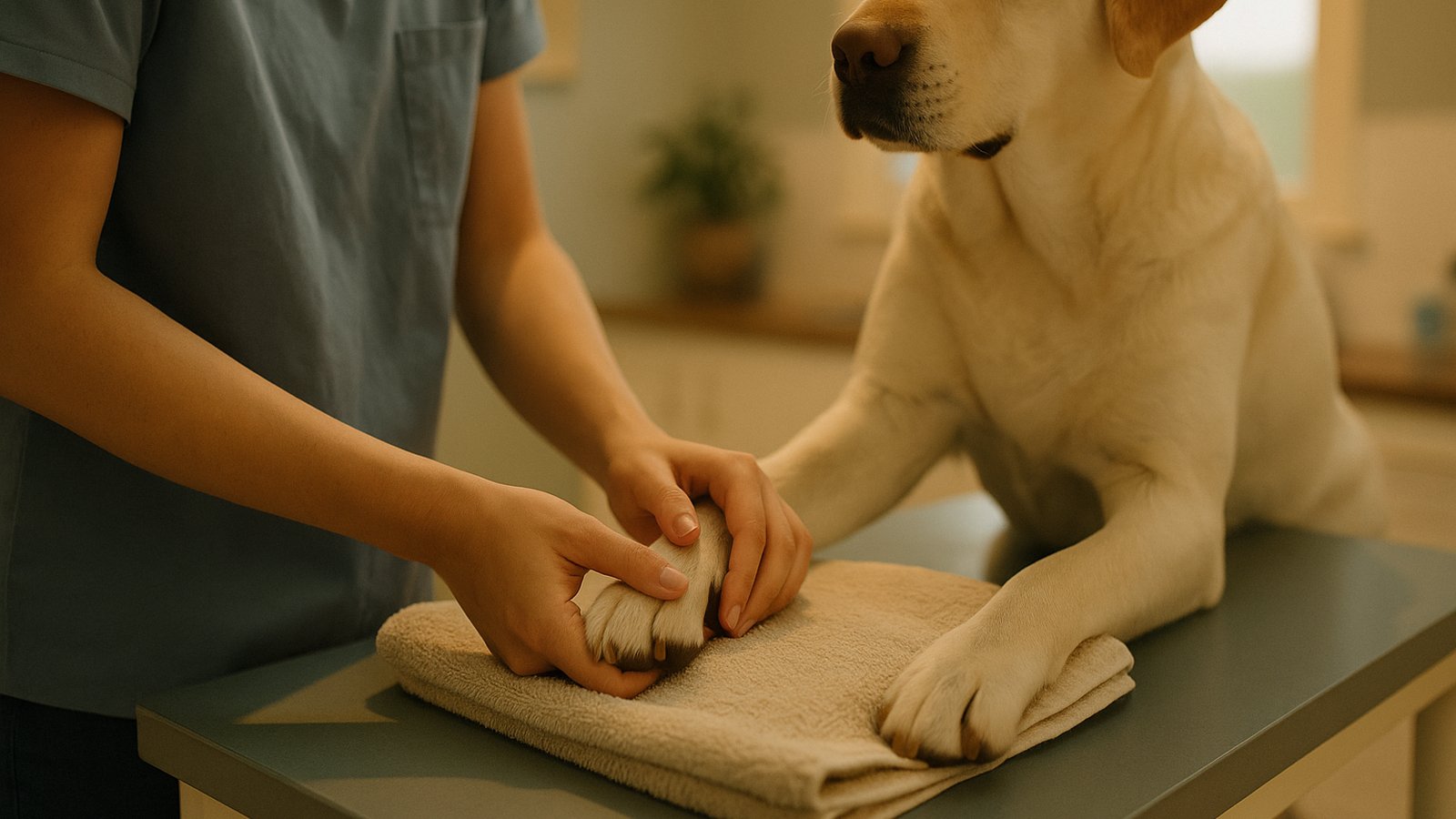
If your pet is in trouble right now, the most useful thing on this page is the bit telling you to phone the closest emergency hospital before you leave the house. Everything else can wait. The hospital will tell you what to do during the drive, prep the team, and have someone meeting you at the door. Below is the rest, what counts as an emergency, what it costs in honest dollars, and the conditions Sydney emergency vets see most often. (If you found this page at 3am because your dog ate a sock, scroll past the prices to the foreign body bit. Then come back and read the rest later.)
If any of these are happening, go now
- Trouble breathing, blue or pale gums, gasping
- Collapse, unresponsiveness, ongoing seizure (or two within an hour)
- Suspected snake bite, paralysis tick, or bait ingestion
- Bloated belly with unproductive retching, especially in deep-chested dogs
- Severe bleeding that won't stop, eye injuries, or hit by a car
- A male cat who can't pass urine, within 24 hours this becomes fatal
What actually counts as an emergency
Some symptoms can wait until your day vet opens. Some can't. The difference matters because emergency vet visits are expensive, and because driving across Sydney at 3am for something that could've waited until 9am is a waste of everyone's night, particularly the pet's.
The "go now" list
- Breathing trouble. Open-mouth breathing in a cat is always an emergency. A dog at rest panting heavily that doesn't settle is too.
- Pale, white, blue or yellow gums. Healthy gums are pink. Anything else means shock, internal bleeding, or oxygen problems.
- Sudden collapse. Especially with a swollen belly. Read: internal bleeding or a twisted stomach.
- Seizures. One short seizure that resolves can wait until tomorrow. Seizures over two minutes, or two within an hour, can't.
- Suspected snake bite. Eastern Browns and Red-bellied Blacks are present across greater Sydney, including suburban gardens.
- Paralysis tick signs. Wobbly back legs, change in voice, vomiting, weakness, particularly between Spring and Autumn on the east coast.
- Suspected baiting or poisoning. Snail bait, rat bait, chocolate, grapes, xylitol, lily ingestion in cats. Bring the packaging.
- Hit by car. Even if your pet "seems fine". Internal injuries take hours to show.
- Male cat unable to urinate. Repeated trips to the litter tray with nothing coming out. This is the one we see owners wait too long on.
- Bloated belly + unproductive retching in a Great Dane, Boxer, Standard Poodle or any deep-chested dog. Gastric dilatation-volvulus. Minutes matter.
- Eye injuries. Eyes don't wait.
The "this can probably wait" list
Bright pet, eating, drinking, behaving normally, mild symptoms? Phone your day vet at opening time. A single vomit, mild limping that's improving, an isolated soft stool, a small skin lump that's been there a while, none of these need 2am care.
Rule of thumb: if your pet would happily eat a treat right now, you've usually got time to phone a day vet at opening time. If they refuse food and are hiding, that's the universe nudging you out the door.

How Sydney emergency hospitals actually work
Sydney's emergency network is built around a handful of dedicated 24-hour hospitals plus extended-hours GP clinics. Here's how a visit unfolds.
Triage on arrival
Emergency hospitals work like human emergency departments. Pets are seen by severity, not arrival time. The bright, stable patient in the waiting room watches the critical patient go straight through. This feels unfair when you've been holding a vomiting puppy for two hours, but it's the correct system. (If your pet's condition changes while you wait, gums going pale, breathing harder, suddenly unresponsive, tell the front desk immediately. They'll re-triage on the spot.)
Initial assessment and estimate
Before any non-emergency treatment, the clinic gives you a written estimate. It'll be a low and high range. Pet emergencies move quickly, so estimates get revised as the case develops. You can ask to be called before any spend over a specific number, most clinics expect this and respect it.
Hospitalisation, transfer or discharge
Stable patients go home with medication and a recheck plan. Unstable ones stay overnight or get transferred. If your pet was seen at an emergency clinic overnight and your day vet has a hospital, expect a morning transfer with notes sent ahead.
Specialist referral
Sydney has a strong network of specialist hospitals, surgery, internal medicine, cardiology, oncology, neurology. If your pet needs one, the emergency vet refers you. Specialists are not cheap, but for complex cases they're the right call.

Honest numbers: what it costs
This is the question every owner asks while picking up the phone. Pricing varies between clinics and by case complexity, but the ranges below reflect what most Sydney emergency hospitals charge in 2026.
| Service | Typical cost |
|---|---|
| After-hours emergency consultation | $200 – $400 |
| Public holiday surcharge | $50 – $150 on top |
| Bloodwork (in-house, full panel) | $220 – $400 |
| X-rays | $280 – $550 |
| Ultrasound | $350 – $700 |
| IV fluids and overnight hospitalisation | $700 – $1,800 / night |
| Snake bite, antivenom + supportive care | $3,500 – $9,000 |
| Paralysis tick, antiserum + hospitalisation | $2,000 – $7,000 |
| GDV (bloat) surgery in a deep-chested dog | $6,000 – $12,000 |
| Foreign body removal surgery | $3,500 – $8,000 |
| Cat urinary blockage treatment | $1,500 – $4,000 |
| Caesarean section | $2,500 – $5,500 |
If those numbers made you sit down, you're having the same reaction most owners do. Cost is a real barrier and pretending otherwise helps nobody. The vet payment plans guide covers VetPay, Zip, in-house plans and what to do if you genuinely can't afford the bill in front of you. Don't disappear from the clinic, most will work with you, but they need to know.

What to do on the drive
Phone the clinic first. Always. They'll tell you what to do during transport, prep the team, and warn you if a closer hospital is better suited. While you're driving, the right calls depend on what's happening.
Heat stroke
Out of the heat immediately. Wet your pet down with cool, not ice cold, water, focusing on neck, armpits, groin and paw pads. Air conditioner on full to the back of the car. Don't force water into their mouth if they're disoriented. Western Sydney summers don't mess around, and the brachycephalic breeds (Frenchies, Pugs, Boxers, Persian cats) are first in the door every January.
Severe bleeding
Firm direct pressure with a clean cloth. Don't peek every 30 seconds, let it clot. If a paw is bleeding, hold pressure for at least five minutes before checking.
Suspected poisoning
Bring the packaging. The active ingredient is what matters, not the brand. Don't induce vomiting unless a vet has told you to over the phone, some toxins do more damage on the way back up.
Suspected paralysis tick
Don't go on a tick hunt during the drive, that's a clinic job. Keep your pet still, calm, in a cool environment. Don't offer food or water; choking is a real risk if the swallowing reflex is impaired.
Suspected snake bite
Carry, don't walk. Movement spreads venom. Don't wash the bite area, venom traces from the wound are sometimes used at the clinic for a snake venom detection kit. Don't try to identify the snake yourself by going near it. (We've seen owners arrive proudly holding a half-dead Eastern Brown in a tea towel. Please do not be that owner.)
Choking
If you can clearly see and grab the object without pushing it deeper, do so. Otherwise drive. Hindlimb hangs and back-blows can dislodge an object in small dogs, for medium and large dogs, get to a vet.
The Sydney top ten, what we see most
Paralysis tick (Ixodes holocyclus)
The east coast paralysis tick is the single biggest preventable emergency Sydney vets see. Bushy corridors from the Northern Beaches through to the Sutherland Shire are tick country, peaking August through January. Symptoms appear three to seven days after a tick attaches: hindlimb wobbliness, change in voice, regurgitation, lethargy, and breathing trouble as the toxin spreads.
Year-round prevention isn't optional in Sydney. It's the single best $20 a month you'll spend. Once symptoms appear, even with antiserum, recovery is slow and bills climb into the thousands. We've never met an owner who regretted being on tick prevention. We meet plenty who skipped it.
Snake bites
Eastern Brown and Red-bellied Black are the two most commonly encountered in suburban Sydney, Hornsby, the Hills, Sutherland Shire, bushland-bordering streets across the city. Tigers turn up too, especially near water.
Symptoms: sudden collapse and recovery (often missed by owners), weakness, dilated pupils, drooling, vomiting, bleeding from puncture wounds. Survival is much higher with early treatment. By the time a pet collapses for the second time, the window is closing.
Heat stroke
Sydney summers fill the emergency room with heat stroke. Cars parked even briefly in summer become death traps within minutes. Unshaded backyards on 40°C days follow shortly after. The brachycephalic breeds, Frenchies, Pugs, English Bulldogs, Boxers, Persian cats, get to the front of the queue first.
Baiting and poisoning
Snail bait causes tremoring and seizures within an hour of ingestion. Rat bait causes internal bleeding three to five days later, by the time you see symptoms, your pet is critical. Chocolate, grapes, sultanas, xylitol gum, onions and macadamias are all common household toxins. Cats are uniquely vulnerable to lily ingestion (every part of the plant), paracetamol, and ibuprofen.
Gastric dilatation-volvulus (GDV / "bloat")
Large, deep-chested dogs, Great Danes, German Shepherds, Boxers, Standard Poodles, Weimaraners, can develop a twisted, gas-filled stomach within an hour of eating. Signs: unproductive retching, swollen belly, restlessness, drooling, collapse. This is one of the few emergencies where a 30-minute delay genuinely changes the outcome. If you've got a deep-chested dog and you're reading this casually, save the closest 24-hour hospital number to your phone now.
Urinary blockage in cats
Male cats are vulnerable to urethral blockage. Watch for repeated trips to the litter tray with little or no urine, vocalising, licking the genital area, or hiding. A blocked cat without treatment dies within 24 to 72 hours from kidney failure. Day one is straightforward to treat. Day three is not.
Foreign body ingestion
Dogs swallow socks, corn cobs, peach pits, fish hooks, kids' toys, and string. Cats swallow string and hair ties. Repeated vomiting that won't settle, plus a dog or cat who won't eat for 24 hours, is foreign body until proven otherwise. Yes, the same Labrador who ate the corn cob will eat another corn cob next year. They cannot be reasoned with.
Grass seeds
From late spring through summer, dried grass seeds get stuck in paws, ears, eyes and noses, then burrow inward. They're a uniquely Australian problem. Full breakdown in the grass seeds in dogs guide.
Cherry eye, vomiting, and the "feels like an emergency" pile
Some conditions feel urgent at midnight but can usually wait until morning if your day vet opens within a few hours. Cherry eye is uncomfortable but not life-threatening. Cat vomiting needs urgent care if it's repeated, bloody, or paired with lethargy, but a single vomit in a bright cat can wait. The dog grooming guide covers ear issues like ear mites that look concerning but rarely need 2am care.
Where the emergency hospitals are
Sydney's emergency hospitals cluster across the metro area so most owners are within a 20 to 30 minute drive of dedicated 24-hour care, even at 3am. The major regions:
- Inner West and CBD, Sydney University's Veterinary Teaching Hospital sits near the Inner West, plus several private 24-hour referral hospitals.
- North Shore and Northern Beaches, multiple emergency centres from Chatswood through to the Northern Beaches. Tick numbers up here from Spring through Autumn are the highest in Sydney. The Northern Beaches vet guide covers the local pattern.
- Eastern Suburbs, well-covered with referral hospitals along the eastern corridor. Cliff falls, ocean ingestion and beach injuries are seasonal.
- Western Sydney, heat stroke peaks here. Snake bites are more common in the bush-fringe suburbs of the outer west and northwest.
- Sutherland Shire, paralysis ticks, snake encounters and beach issues dominate. Multiple clinics offer extended hours, with overnight cases referred to dedicated hospitals.
Phone ahead. Even if a clinic shows as 24-hour online, double-check it's open and not at capacity before you point the car at it.
Straight answers to the awkward questions
What if I can't afford emergency vet care?
Tell the clinic up front. Most emergency hospitals offer in-house payment plans, accept VetPay or Zip, and can stage treatment to focus on what's most likely to save your pet's life right now. The RSPCA also operates limited assistance programs in NSW. Whatever you do, don't disappear without a plan, work with the clinic. The vet payment plans guide has every option laid out.
Can I take my pet to a regular vet for an emergency?
If your day vet is open and able to see you, yes. After hours though, a dedicated emergency hospital has the staff, equipment and overnight monitoring that day clinics don't. For a critical patient, the emergency hospital is almost always the better call.
How long will I wait at an emergency vet?
Triage by severity. Critical patients are seen immediately; stable cases may wait one to four hours on a busy night. The clinic checks on you. If your pet's condition changes while waiting, tell the front desk straight away.
Will pet insurance cover emergency vet visits?
Most accident and illness pet insurance policies cover emergency vet visits, surgery and hospitalisation, subject to the annual limit, excess and waiting periods. Some exclude pre-existing conditions, breeding-related issues, or specific listed exclusions. Read the PDS before you need it, not after.
Should I drive myself or call a pet ambulance?
For most cases, drive. Pet ambulance services exist in Sydney but they're not faster than a calm driver going straight to the clinic. The exceptions are if you're on your own and can't safely drive, or if your pet needs oxygen support during transport, call the emergency clinic and ask.
What information should I have ready when I call?
Species, breed, weight, age, what's happened and when, what you've already done, current medications, known allergies. If they may have ingested something, bring the packaging. The vet nurse on the phone has heard every variation of this story before, say what you know in plain language.
When in doubt, call
A two-minute phone call to a vet costs nothing and tells you whether to drive in now or watch and wait. Vet nurses do triage advice every shift, that's literally what they're there for. Use them.
If you've made it to the bottom of this page, your pet is probably either fine or already at the clinic. Either way, save the number of your nearest 24-hour emergency hospital in your phone before you close this tab. The best time to find it was before you needed it. The second best time is now. (Information here is general and doesn't replace a hands-on examination by a registered veterinarian. If your pet shows any of the warning signs above, get to an emergency vet.)