Find a vet, how to pick a good one without wasting six months
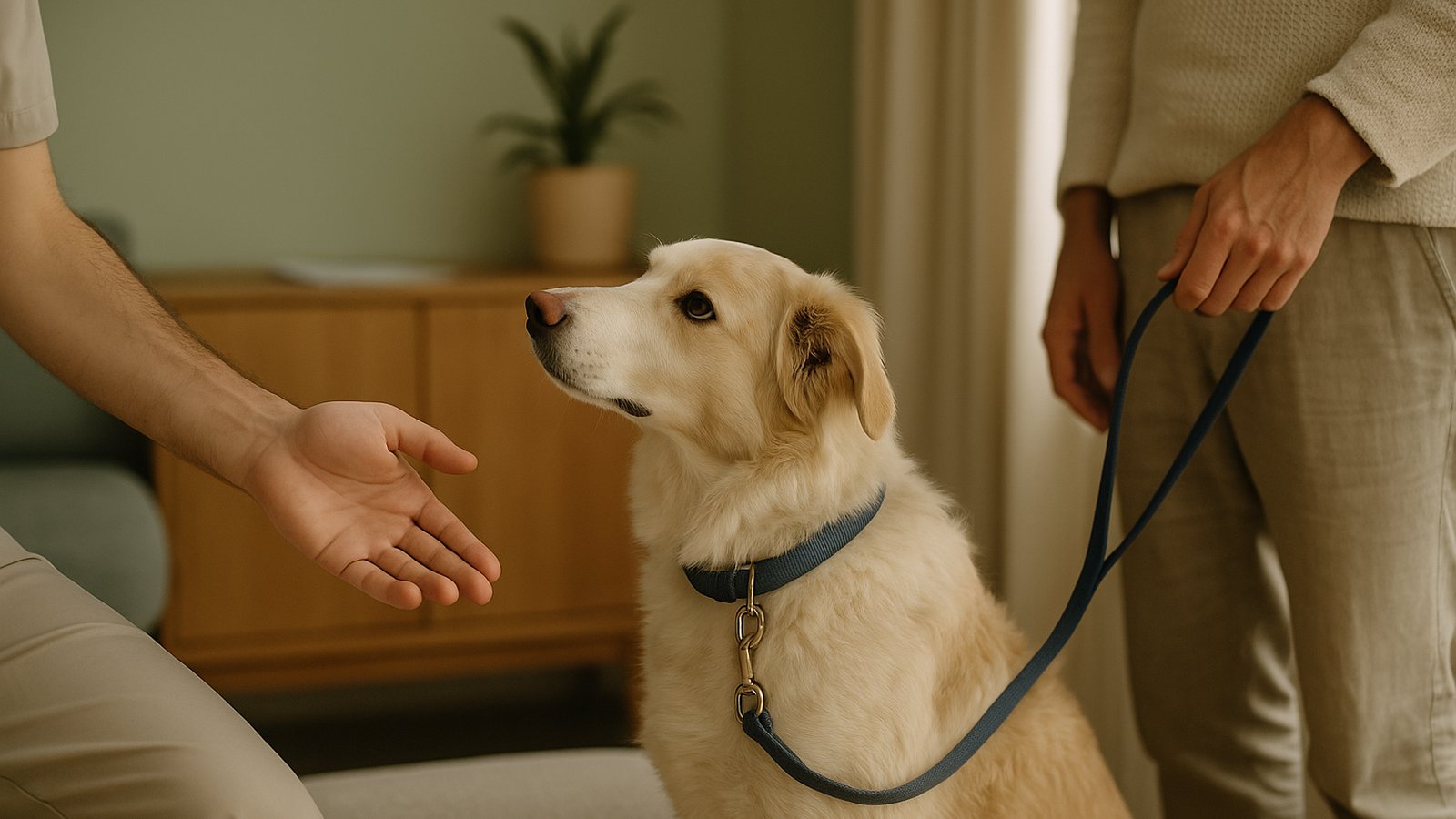
A good vet is one of the most useful relationships you'll build for your pet. The wrong fit costs money, time, and sometimes worse outcomes. Below: what to look for, where to start, the questions worth asking before you book the first visit, and the signs it's time to find a different clinic. (Switching feels disloyal. It isn't. Your dog doesn't write Christmas cards.)
Why your choice of vet matters
Vets are not interchangeable. Two clinics in the same suburb can have wildly different approaches to anaesthesia, dental care, behavioural medicine, end-of-life decisions, and how they communicate with you. Over a decade of pet ownership, the difference between a vet who explains things clearly and one who rushes you through a five-minute consult adds up to thousands of dollars and many missed early diagnoses.
The right vet treats your pet competently, communicates clearly, respects your budget, and tells you the truth, including when treatment isn't likely to help.
Where to start your search
Personal recommendations
Friends, family, dog walkers, neighbours. People who've had a real relationship with a vet over years are better signal than five-star Google reviews. Ask why they like their vet, "she takes time to explain" tells you more than "great clinic".
Local Facebook groups
Suburb-specific dog and cat owner groups, breed-specific groups (Cavoodle owners of Sydney, Frenchie groups, etc.). Community knowledge tends to be honest and current. Filter for the suburbs you actually live in, not the city as a whole.
Australian Veterinary Association (AVA) directory
The AVA's "Find a Vet" tool lists registered AVA member vets across Australia by suburb. AVA membership signals professional engagement. Many good vets aren't members though, so it's a positive signal rather than a filter.
Vet board registers
Each state has a Veterinary Practitioners Board (or equivalent) that maintains the official register of practising vets. Useful for verifying registration, especially if you're seeing someone for the first time.
Specialty directories
- AAVAC for avian and exotic vets
- ANZCVS Members and Fellows lists for vets with post-graduate qualifications in their specialty
- Cat-friendly clinic accreditations (AAFP / ISFM) for cat-specialist clinics
- Fear Free certified vets for low-stress veterinary medicine

Types of vet clinic in Australia
General practice
The standard model, your everyday vet for vaccinations, health checks, illness, surgery, dental care. Most Australians have a GP-level clinic as their primary vet. Suitable for 95% of normal pet life.
Emergency and after-hours hospital
24-hour or extended-hours hospitals dedicated to emergency cases. The emergency vet guide covers when these are the right call.
Specialist referral hospital
Vets with post-graduate qualifications in surgery, internal medicine, oncology, neurology, cardiology, ophthalmology, dermatology and dentistry. Higher cost, higher capability for complex cases. Your GP refers you when needed.
Mobile vet
Comes to your home for routine care. Excellent for vaccinations, end-of-life care and stressed pets.
Cat-only or cat-friendly clinic
Dedicated cat clinics are rarer in Australia than overseas, but a growing number of practices have AAFP/ISFM accreditation as cat-friendly, separate cat waiting areas, calmer handling, cat-specific protocols.
Charity and community clinics
RSPCA clinics, the National Desexing Network, and some council programs offer reduced-cost services. Eligibility usually based on concession card status. The desexing and payment plans guides cover these in detail.

Questions to ask a new vet
- What does an annual check-up include? Look for full physical, dental check, weight assessment, conversation about parasite prevention, diet, and any concerns you have.
- What's your protocol for anaesthesia? Pre-anaesthetic bloodwork, IV catheter, intubation, monitoring (oxygen, blood pressure, temperature), recovery support.
- How do you handle after-hours emergencies? Is there an in-house emergency service, or do you refer to a specific 24-hour hospital?
- Are written quotes provided before procedures? Should be yes, with itemisation.
- Do you offer payment plans or work with VetPay/Zip? Useful to know upfront, not when you need it.
- How do you handle questions or follow-up between visits? Phone, email, online portal, whichever works for you.
- What's your approach to behaviour issues? A good answer includes referral to a qualified behaviourist for serious issues.
- What dental care do you recommend? Look for a clear preventive approach, not just "we'll deal with it when there's a problem".

What a great vet looks like
- Takes time during the consultation, doesn't rush you
- Explains diagnostic options, costs and trade-offs in plain language
- Tells you when something doesn't need treating, not just when it does
- Acknowledges when they don't know and refers to a specialist
- Treats anxious pets with patience, never with brute force
- Calls or messages with results, not just when something's wrong
- Records detail, so the next vet at the practice can pick up where they left off
- Open about pricing, provides estimates, doesn't have nasty surprises
- Comfortable having end-of-life conversations honestly
Red flags
- Pushes expensive treatments without explaining why simpler options aren't appropriate
- Won't give a written estimate before a procedure
- Doesn't respect your decision when you decline a particular treatment
- Different vets at the same clinic give wildly different opinions on the same issue
- Talks down to you or makes you feel stupid for asking questions
- Avoids end-of-life conversations or is dismissive of your concerns
- Recommends anaesthesia-free dental or other approaches with no evidence base, the dental cleaning guide covers why
- Pet returns from procedures distressed or with unexplained injuries
- Records are messy, missing or hard to access
When to switch vets
Switching feels disloyal, you've built a relationship, your records are there, change is friction. But switch when:
- You consistently leave appointments confused or feeling unheard
- You don't trust the recommendations you're getting
- Your pet shows fear or distress that's not improving
- Communication has become unreliable
- You've had a serious mistake or complication that wasn't acknowledged or addressed
- The clinic has been sold and the new owners have changed the things you valued
You can request a copy of your pet's records from any clinic, by law in most Australian states. Get them, find a new vet, and bring them along to the first appointment. There's no shame in moving. The old clinic doesn't get its feelings hurt, they're a business.
Finding vets in different parts of Australia
Sydney
High density of clinics across all Sydney metro suburbs, plus dedicated 24-hour emergency hospitals and specialist centres. The Northern Beaches has its own pattern of issues, see the Northern Beaches vet guide.
Melbourne
Strong veterinary presence across all of Melbourne's metro area, with specialist hospitals in the inner suburbs and north Melbourne. University of Melbourne veterinary teaching hospital provides referral services.
Brisbane and South-East Queensland
Brisbane, Gold Coast and Sunshine Coast all well-served. University of Queensland offers veterinary specialist services and emergency care.
Perth
Murdoch University Veterinary Hospital is the WA centre for specialist and teaching cases, with strong private clinic presence across the metro area.
Adelaide
Adelaide has good GP coverage and dedicated emergency services, with referral options including the University of Adelaide.
Regional Australia
Smaller towns often have one or two clinics covering large areas. Distances to specialist or emergency care can be significant. Plan ahead, especially for surgery decisions, and budget for travel time. Mobile vets are a particularly valuable resource in regional areas.
Wherever you are in Australia, take the time to find a vet you trust before you need them. Doing it during a crisis is the worst time to choose. (Doing it on a quiet Tuesday afternoon, with a coffee and 20 minutes, is the best time.)
A good vet relationship lasts a decade or more. Worth taking a couple of weeks to find the right one. Trust your instincts, if something feels off, it usually is. We don't list or review specific clinics; the right vet depends on your pet, your situation and your preferences.