Puppy vaccination schedule Australia, the honest guide
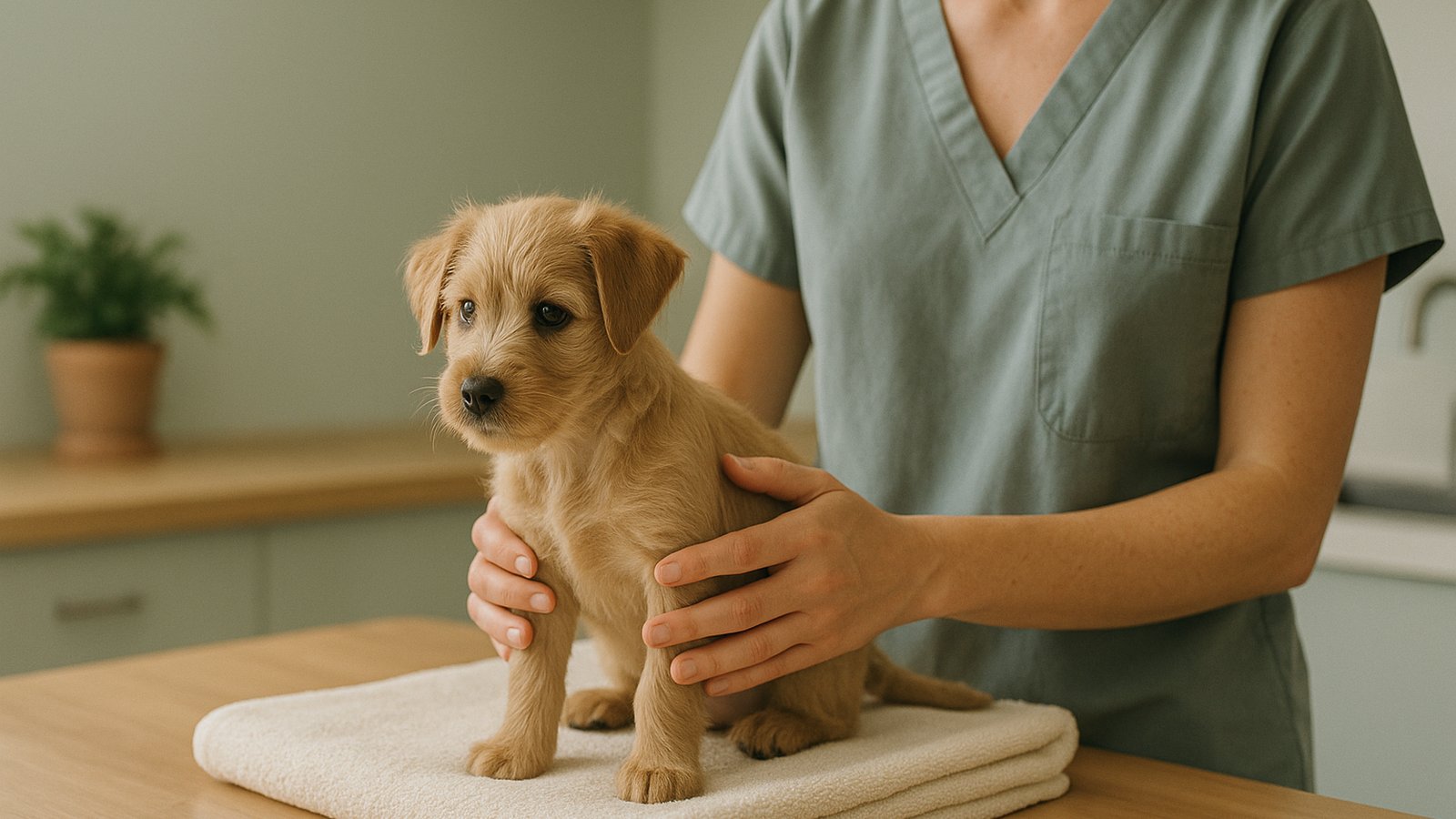
Three needles between 6 and 16 weeks old. A booster at 12 months. Then for life. Total cost of the puppy course is $250 to $450. That's the whole answer. The rest of this page is the why, what each vaccine actually covers, what to do if you missed one, and the socialisation question every new puppy owner asks (correctly worried, mildly contradicted by every dog book on the shelf).
What vaccinations puppies actually need in Australia
Australian dogs need protection against a small, specific set of serious infectious diseases. The Australian Veterinary Association follows World Small Animal Veterinary Association guidelines, which sort vaccines into core (every dog) and non-core (depends on lifestyle and location).
C3, the one every dog should have
C3 protects against three diseases. Every Australian dog should be vaccinated with C3. No asterisks.
- Canine parvovirus. Highly contagious, often fatal in puppies. Severe vomiting, bloody diarrhoea, rapid dehydration. Treatment costs $4,000 to $10,000 if survival is even possible. Australian shelters still see parvo outbreaks every year. Parvo is the boss fight in this game and the C3 is the cheat code.
- Canine distemper virus. Respiratory, gastrointestinal and neurological signs. Less common in modern Australia thanks to vaccination, but still present.
- Canine hepatitis (canine adenovirus). Liver damage, fever, vomiting. Rare in vaccinated populations but serious when it happens.
C5, adds kennel cough
C5 covers everything in C3 plus two pathogens that cause kennel cough:
- Canine parainfluenza virus.
- Bordetella bronchiseptica.
Boarding kennels, daycare facilities and most groomers require C5 before they accept your dog. If you ever plan to use any of those, get C5. Kennel cough won't kill your dog (usually), but it'll keep half your house awake for two weeks.
C7, adds leptospirosis
C7 includes everything in C5 plus two strains of leptospirosis. Lepto is a bacterial disease spread through rat urine and contaminated water. It causes liver and kidney failure and can also infect humans, which makes it the kind of thing you want to vaccinate against. Cases have increased in parts of Sydney and northern New South Wales over recent years. C7 is recommended for dogs that:
- Swim in dams, ponds, rivers or stagnant water
- Live or holiday in rural or rat-prone areas
- Hunt, work on farms, or run loose in bush
- Live in inner-city areas with known rat populations
Talk to your vet about C7. In high-risk areas it's increasingly the default.

The Australian puppy vaccination schedule
Three vaccinations as a puppy, then a 12-month booster, then ongoing boosters. The exact ages depend on which vaccine your vet uses (some are licensed for finishing at 10 weeks; most finish at 14-16 weeks).
| Age | Vaccine | What it covers | Typical cost |
|---|---|---|---|
| 6 – 8 weeks | 1st puppy vaccination (C3) | Parvovirus, distemper, hepatitis | $90 – $140 |
| 10 – 12 weeks | 2nd puppy vaccination (C3 or C5) | Above + kennel cough (if C5) | $95 – $150 |
| 14 – 16 weeks | 3rd puppy vaccination (C5 or C7) | Above + leptospirosis (if C7) | $95 – $160 |
| 12 months | Annual booster | Same as final puppy vaccine | $90 – $150 |
| Yearly thereafter | Booster (frequency varies) | C3 every 3 years, kennel cough yearly | $80 – $140 |
Many Sydney and Melbourne clinics bundle the puppy course as a discounted "puppy package" at $250 to $400 covering all three visits, microchipping, the first month of parasite prevention and one or two health checks. Worth asking. Most clinics won't volunteer it.
Around the same time as the final puppy vaccination, most owners start thinking about desexing, which most clinics now recommend between 4 and 6 months for dogs (later for some giant breeds, for orthopaedic reasons we'll spare you here).
Adult dogs starting from scratch
An adult dog with no vaccination history needs two vaccinations 4 weeks apart, then ongoing boosters. Don't assume your rescue dog is unvaccinated, ask the shelter for records first. Rescue paperwork is sometimes patchy but is rarely missing entirely.

How many vaccinations do puppies need?
Three. Three puppy vaccinations spaced about four weeks apart between 6 and 16 weeks old. Then one booster at 12 months. Then regular boosters for life.
The reason it's three and not one: puppies are born with antibodies from their mother's milk. Maternal antibodies protect them in early life but also block vaccines from working. Maternal antibody levels fade at different rates in different puppies, so the only way to guarantee at least one dose lands when the puppy can actually respond to it is to give three doses across the 6 to 16 week window. (If you've ever wondered why human babies get the same vaccine multiple times, it's the same principle.)
If your breeder or shelter started the course, you continue from where they left off. Bring the certificate to the first vet visit.
Core vs non-core vaccines
Core
Core vaccines protect against diseases that are widespread, severe, transmissible, or all three. Every Australian dog should get them regardless of lifestyle. In Australia: parvovirus, distemper and hepatitis, the C3.
Non-core
Non-core vaccines depend on lifestyle and location:
- Kennel cough, for any dog that interacts with other dogs (parks, daycare, boarding, training, grooming).
- Leptospirosis, for dogs in higher-risk areas or with water and rodent exposure.
- Tetanus, rarely given, for working dogs in high-risk environments.
Honest take: many Australian vets now consider C5 essentially core for any dog with a normal social life. Kennel cough spreads at parks and at dog-friendly cafés faster than gossip in a small town.
Honest costs in Australia
Cost varies by clinic, vaccine type, and what's bundled in. The 2026 ranges below cover Sydney, Melbourne, Brisbane, Perth and Adelaide metro areas.
Country and rural clinics are often cheaper than inner-city Sydney or Melbourne. Some councils run subsidised vaccination days; the RSPCA also runs reduced-cost services in some states. If cost is a real barrier, ask your vet about staged options or see the vet payment plans guide. Don't disappear, most clinics will work with you, but they need to know.
If you missed a puppy vaccination date
It happens. Life gets busy, the appointment slips, suddenly you're three weeks late and feeling guilty about it. Here's what actually matters.
Up to 2 weeks late
Within two weeks of the scheduled date, book the next dose and continue. Your puppy's immunity gap is small and the schedule absorbs the delay.
2 to 6 weeks late
Most vets continue from where you are without restarting. Some advise a slightly extended course (an extra dose) to make sure protection is solid. Don't skip the final dose.
More than 6 weeks late
You may need to restart, especially if your puppy is now under 16 weeks. Your vet will assess based on age, environment and previous doses given.
Until your puppy is 7 to 10 days past their final vaccination, treat them as not fully protected. No dog parks, no public footpaths shared by unvaccinated dogs.
The socialisation question (the contradictory bit)
Single most common puppy question. Honest answer: your puppy needs socialisation more than they need to avoid every blade of grass.
The behavioural critical window is 8 to 16 weeks. Puppies who don't experience the world during this window often grow into anxious, reactive adult dogs. Behavioural euthanasia kills more dogs in Australia than parvovirus does. Hard to read. Worth knowing.
The right play is balance. Skip parvo-risk environments. Do the rest.
What's safe
- Your own backyard, if no unvaccinated dogs visit
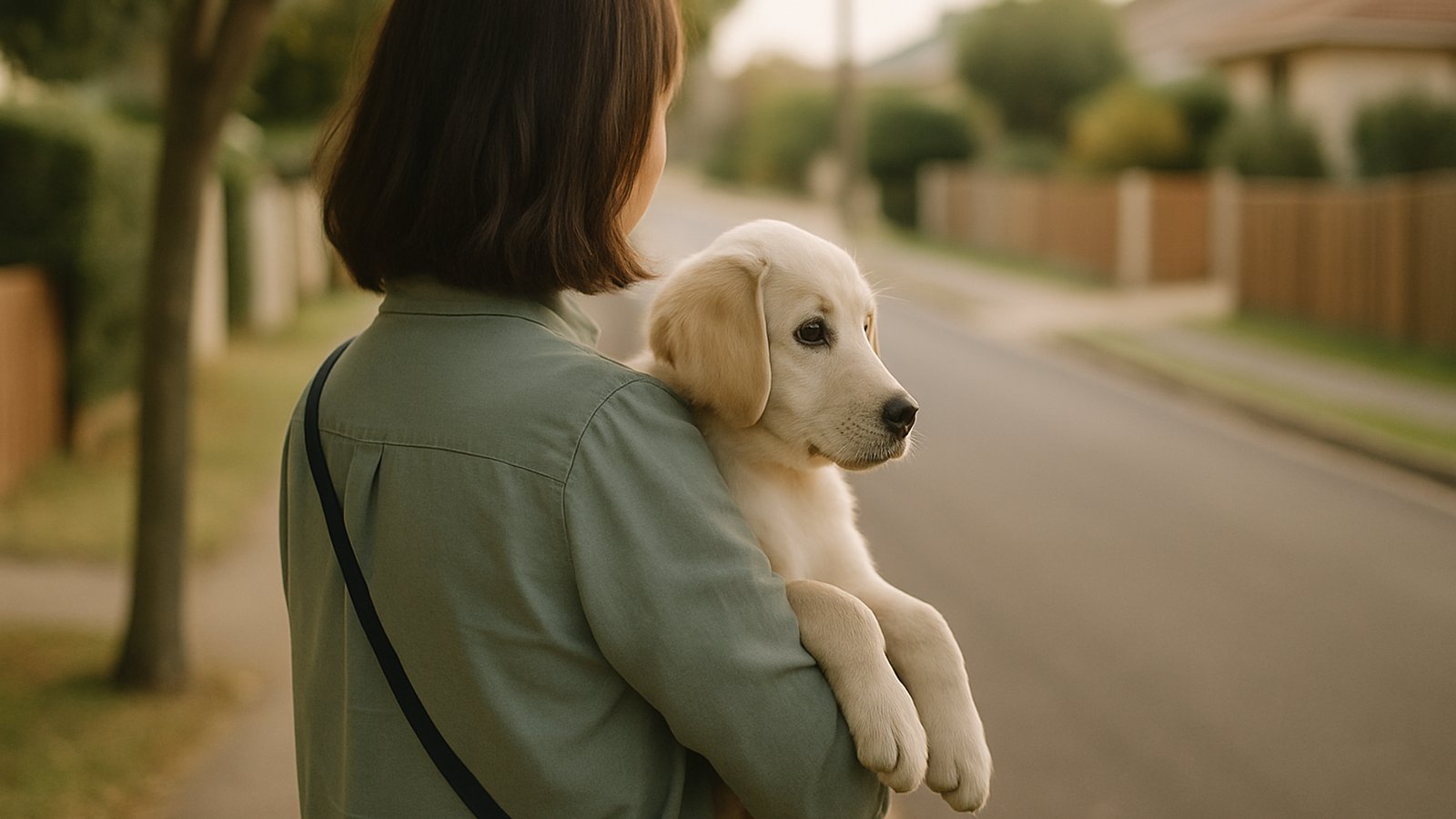
- Carrying your puppy in your arms in public, let them see, hear, smell
- Visiting friends and family with vaccinated, friendly dogs
- Puppy preschool, most reputable classes only accept puppies after the second vaccination, with clean floors and full vaccination histories from all attendees
- Quiet residential streets after the second vaccination, on lead, at your vet's discretion
What's not safe
- Dog parks, off-lead beaches, off-lead reserves
- Public footpaths in high-traffic dog areas
- Areas where stray or unvaccinated dogs are known to be
- Anywhere a parvovirus-positive dog has been in the past 12 months (parvovirus survives in soil for over a year, it does not mess about)
Talk to your vet. The best socialisation plan balances disease risk with developmental risk, and a good vet will help you build it.
Puppy vaccination side effects, what's normal vs not
Normal (within 24 to 48 hours)
- Mild lethargy, basically a long nap
- Mild soreness at the injection site
- Reduced appetite for one meal
- Slightly raised temperature
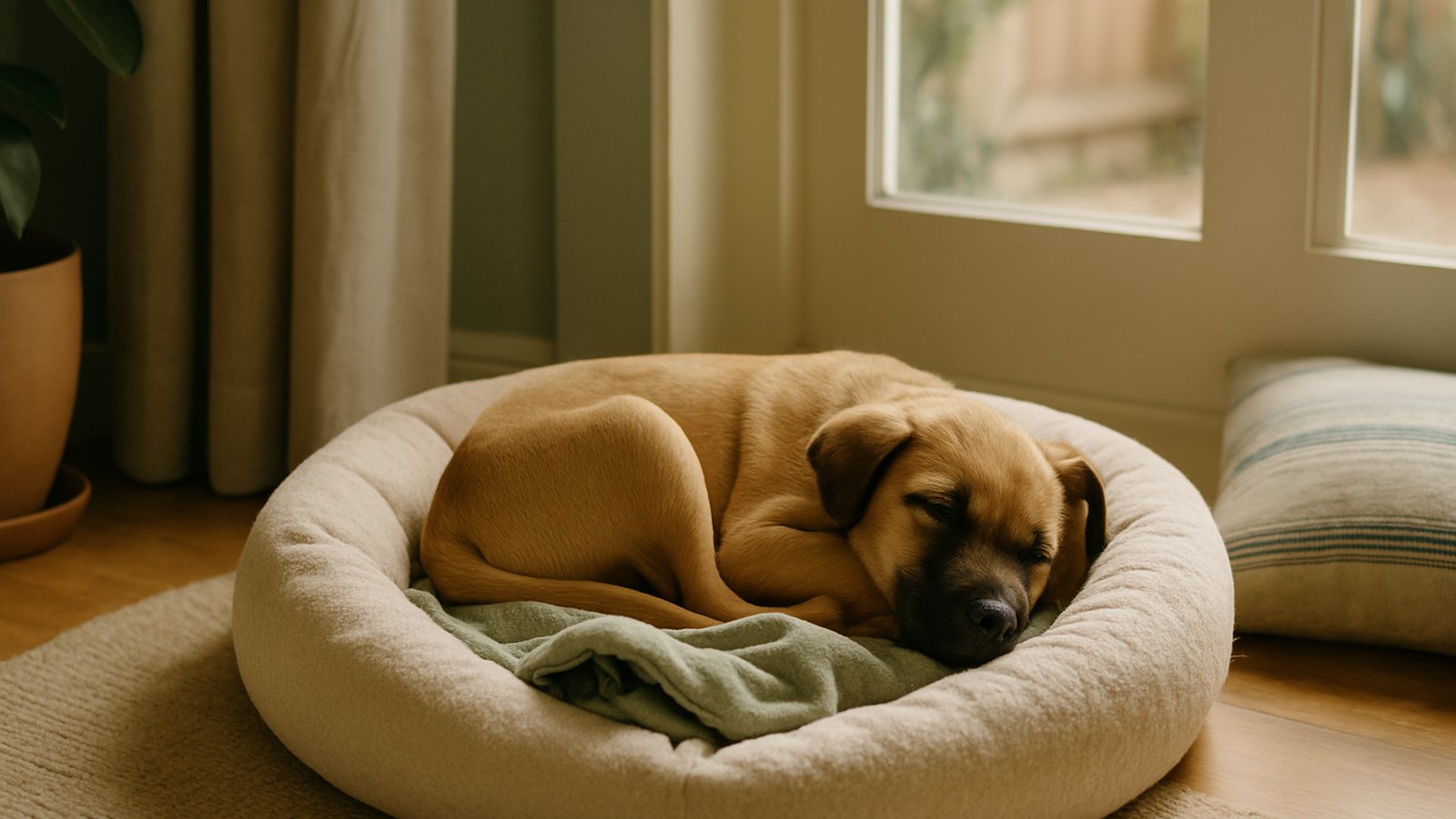
These usually resolve within 24 hours. A puppy that sleeps it off is the most common reaction, by a long way.
Not normal, call your vet
- Facial swelling, hives, or swelling around the eyes or muzzle
- Vomiting or diarrhoea more than once
- Difficulty breathing or heavy panting
- Collapse, weakness or pale gums
- Lethargy lasting more than 36 hours
Anaphylactic reactions to vaccines are rare but real and time-sensitive. If your puppy's face swells or they have trouble breathing within hours of vaccination, get to an emergency vet immediately.
Straight answers to puppy questions
How long after vaccination is my puppy protected?
Allow 7 to 10 days after the final puppy vaccination for full immunity to develop. The earlier doses build partial protection, but it's the post-final-dose window that gives full safety.
Do indoor-only puppies need vaccinations?
Yes. Parvovirus in particular can be carried into a home on shoes, clothing, or other dogs. Vaccination protects your puppy even if they never set a paw outside.
Can I vaccinate my puppy myself with vaccines bought online?
Not recommended. Vaccines need cold-chain storage, correct administration, and pair with a health check that catches issues like heart murmurs and hernias early. The cost saving rarely justifies the risk.
What's a titre test and is it an alternative to vaccinations?
A titre test measures antibody levels in the blood. It's not a substitute for the puppy course, but it can be used in adult dogs to check whether boosters are needed. Some Australian owners titre annually rather than vaccinate annually for C3. Discuss with your vet.
Do I need to vaccinate against rabies?
Australia is rabies-free, which is one of those quietly excellent things about the country. Rabies vaccination isn't part of the standard schedule. If you're exporting your dog overseas, your vet arranges rabies vaccination as part of the export process.
What if my puppy is unwell on vaccination day?
Tell your vet on arrival. Mild issues (mild diarrhoea, runny nose) usually don't delay vaccination. Significant illness, fever, or recent diarrhoea pushes the appointment back a week or two. The health check before the injection is part of why you're paying for the consult.
Are mobile vets a good option for puppy vaccinations?
Yes. Many mobile vets in Australia do puppy vaccinations at home. Lower stress for an anxious puppy or a busy household. Cost is slightly higher than an in-clinic visit, but you save the travel and the waiting room.
Next step
Book your puppy in with a vet you trust before they're 8 weeks old. The good clinics get booked out for puppy preschool, start asking now. Need help finding one? See the find a vet guide.
Three needles, a booster, and your puppy is set. The hardest part of this whole process is keeping the receipt somewhere you'll find it again at the 12-month booster. Information here is general; vaccination decisions should always be made with your vet, who can advise based on your puppy's individual health, lifestyle and location.