Veterinary care on the Northern Beaches, your local guide
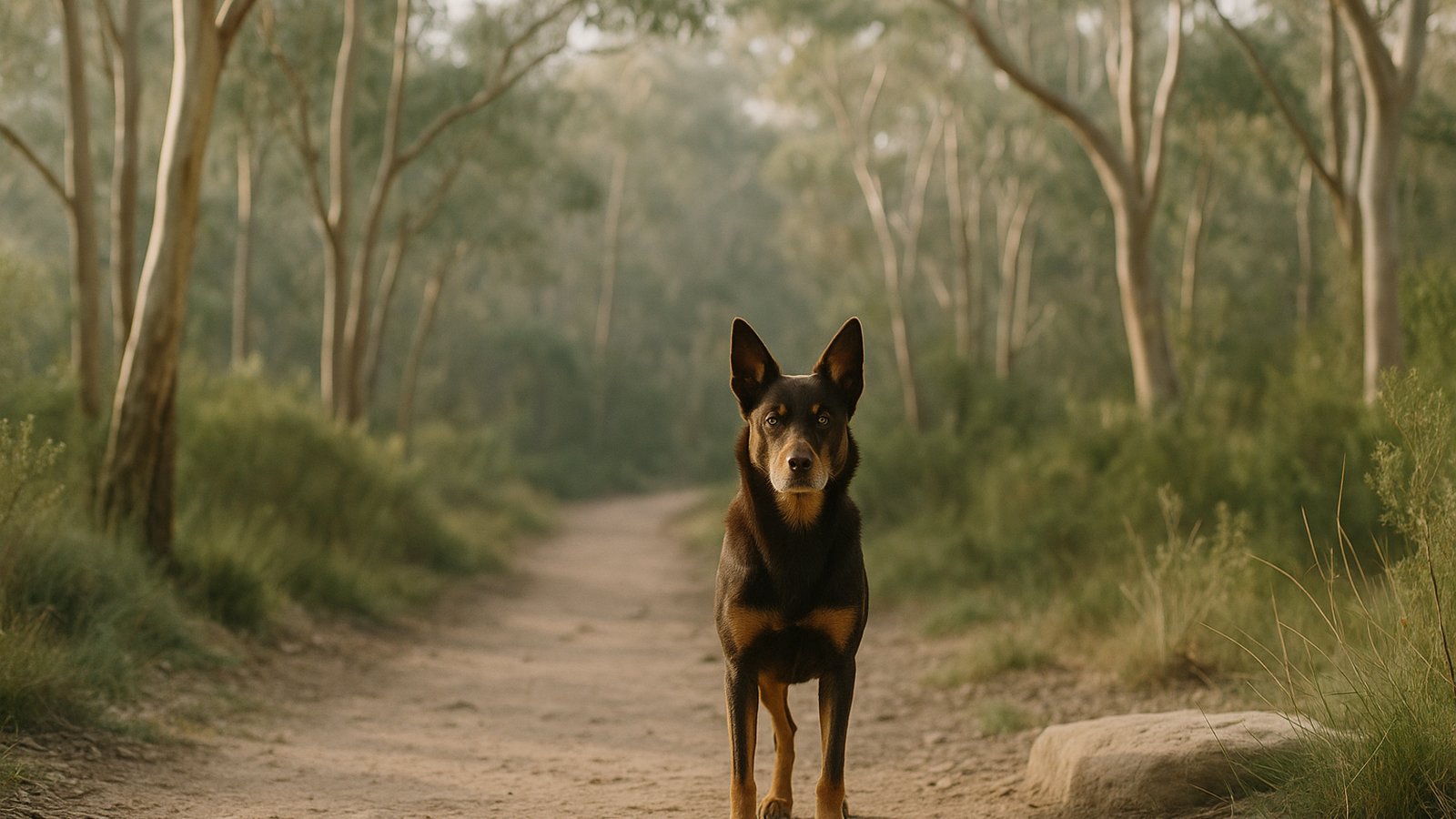
Sydney's Northern Beaches stretches from Manly through to Palm Beach, coastal, leafy, bush-bordered, and famously good at producing pet emergencies you don't see in most other parts of the city. Paralysis ticks in the bushy corridors, the occasional Eastern Brown in someone's backyard, and the inevitable summer parade of dogs who chased a tennis ball into the surf and now have an ear infection. Here's the practical guide.
Overview of veterinary services on the Northern Beaches
The Northern Beaches has a strong veterinary presence, general practice clinics in most major suburbs, dedicated emergency hospitals at the southern and northern ends, and access to specialist referral hospitals in Chatswood, North Sydney and the Lower North Shore. Mobile vets cover most of the area, with tighter service zones in the more remote northern suburbs.
Variety means most owners can find a vet they like within a 10-minute drive. Quality varies, some clinics are exceptional, some are average, and reputation travels fast in tight-knit dog-walking communities. Local Facebook groups for Manly, Frenchs Forest, Mona Vale and Avalon dog owners are full of recommendations and warnings. Use them.
What to look for in a Northern Beaches vet
Familiarity with paralysis ticks
This isn't optional. Any vet practising on the Northern Beaches sees paralysis tick cases regularly from Spring through Autumn. Look for a clinic that:
- Stocks tick antiserum on-site (not all clinics do)
- Has a clear emergency tick protocol
- Educates new owners about year-round prevention
- Can refer you to a 24-hour hospital quickly if needed
Snake bite preparedness
Bushland-bordered suburbs (Belrose, Terrey Hills, Ingleside, Duffys Forest, Bayview, Church Point) regularly see Eastern Brown and Red-bellied Black encounters. Your vet should keep antivenom or have a fast referral path to a hospital that does.
Reasonable distance to a 24-hour emergency hospital
The Northern Beaches has dedicated emergency centres at the southern end (closer to Brookvale and Frenchs Forest) and access to Chatswood-area emergency hospitals from anywhere on the peninsula. Know the route before you need it. The emergency vet guide covers what to expect when you walk in.
Mobile vet availability
For older cats, anxious dogs, or households with several pets, a Northern Beaches mobile vet is often a better fit than driving. The mobile vet guide explains what they can and can't do.
Types of vet services available
General practice
Vaccinations, health checks, desexing, dental care, parasite control, minor surgery, illness consultations. Most Northern Beaches GP clinics offer all of this. Annual vaccinations, desexing and dental cleaning are the core.
Emergency and after-hours care
Several extended-hours and dedicated emergency clinics serve the Northern Beaches. For an after-hours emergency, the emergency vet guide covers what to do, how triage works and what to expect to pay.
Specialist referral
For complex surgery, internal medicine, oncology, neurology, cardiology or ophthalmology, your GP vet refers to specialist hospitals, most commonly in Chatswood, the Lower North Shore, or further afield in the Sydney metro. Specialists are not cheap, but the outcomes for complex cases justify the cost.
Mobile vet services
Multiple mobile vet practices serve the Northern Beaches, from Manly to Palm Beach. Useful for vaccinations, senior cat care and home euthanasia.
Exotic and avian vets
Most exotic vet care for the Northern Beaches is sourced from clinics in the Lower North Shore or the Inner West, see the bird and exotic vet guide for finding species-specific care.
The local pet health pattern
Paralysis ticks
The Northern Beaches is one of the highest-density paralysis tick areas in Australia. Bush corridors through Garigal National Park, Manly Dam, Ku-ring-gai Chase, Avalon's bushland fringes, and the headlands all carry ticks. Suburbs near these reserves, Terrey Hills, Beacon Hill, Allambie, Davidson, Church Point, see the highest case loads.
Year-round prevention is essential up here, not seasonal. Modern monthly preventives (Bravecto, NexGard, Simparica) reliably prevent paralysis ticks when given on schedule. Stop dosing for two months and your dog can become paralysed within days of a single tick attaching. We've seen it. Don't be the cautionary tale.
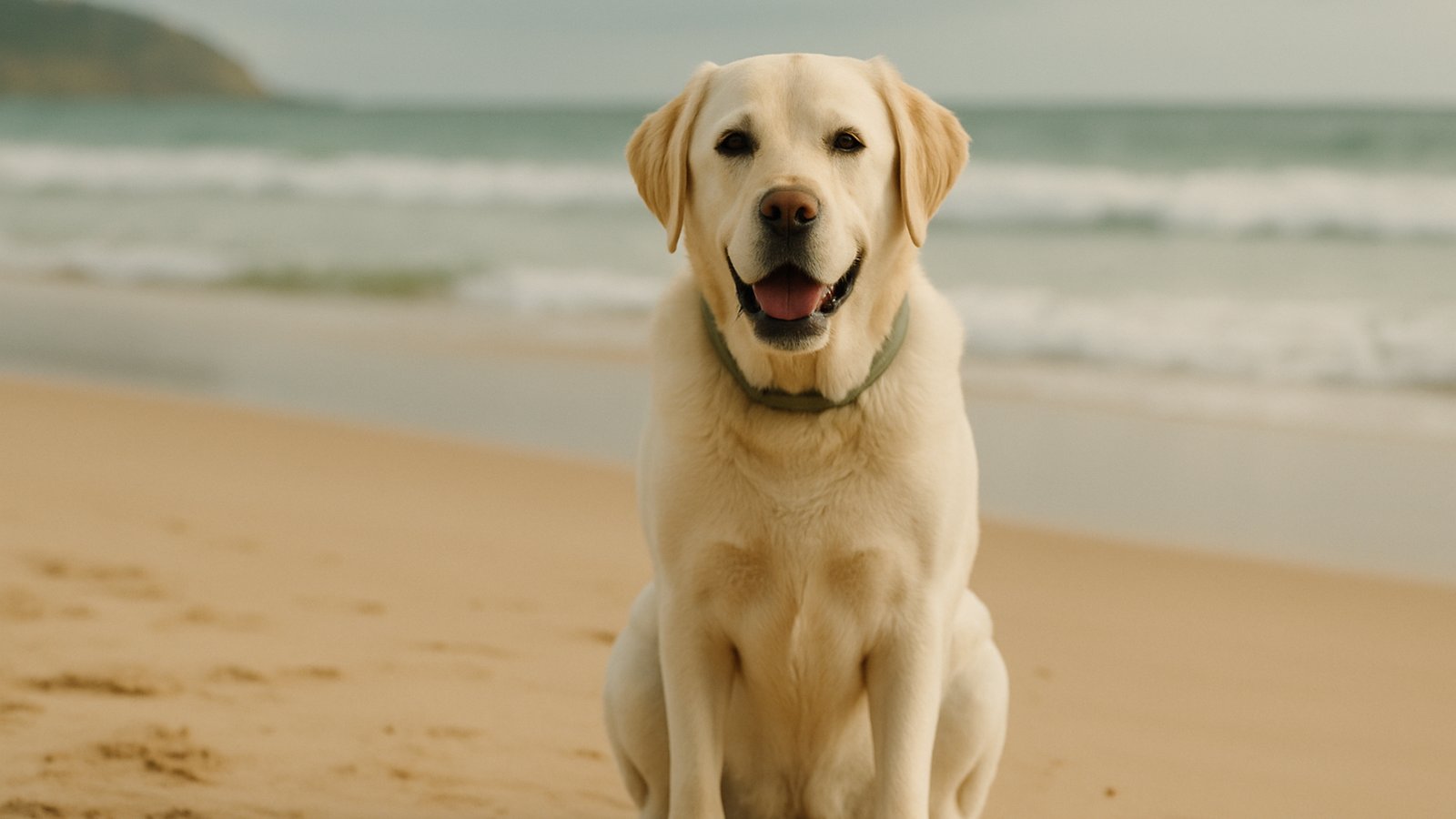
Beach-related issues
- Salt water ingestion, vomiting and diarrhoea after a beach day. Usually mild but can dehydrate small dogs. The cat vomiting guide has more on watch-and-wait versus vet visit (same logic applies to dogs).
- Bluebottle stings, common at North Sydney beaches in summer. Painful, occasionally serious.
- Sand impaction, dogs that swallow large amounts of sand chasing balls. Can cause obstruction.
- Cliff falls, most common at coastal headlands. Take dogs to the vet even if they seem fine after a fall.
- Dead fish or marine animal ingestion, gastrointestinal issues, sometimes severe.
- Sun exposure on white-coated dogs, sunburn and skin cancer on noses and ears.
Snake encounters
Eastern Brown and Red-bellied Black snakes are found across the bushy areas of the Northern Beaches. Snake bites in dogs and cats up here are not rare. Suspected snake bite is always an emergency.
Grass seeds
Late spring and summer bring grass seed issues, particularly in dogs that walk through long dry grass on bushland tracks. Daily paw and ear checks during the season help.
Heat-related issues
Less of a problem on the coast than in Western Sydney, but flat-faced breeds (Frenchies, Pugs, Boxers) still struggle on 30°C+ days. Avoid midday walks, especially on hot pavement. Pavement temperature can be 20°C above air temperature on a sunny day. Test it with the back of your hand, if you can't hold it for 5 seconds, your dog can't walk on it.

Tips for new pet owners on the Northern Beaches
- Get on year-round paralysis tick prevention from day one. Talk to your vet about which product suits your pet. Don't skip months.
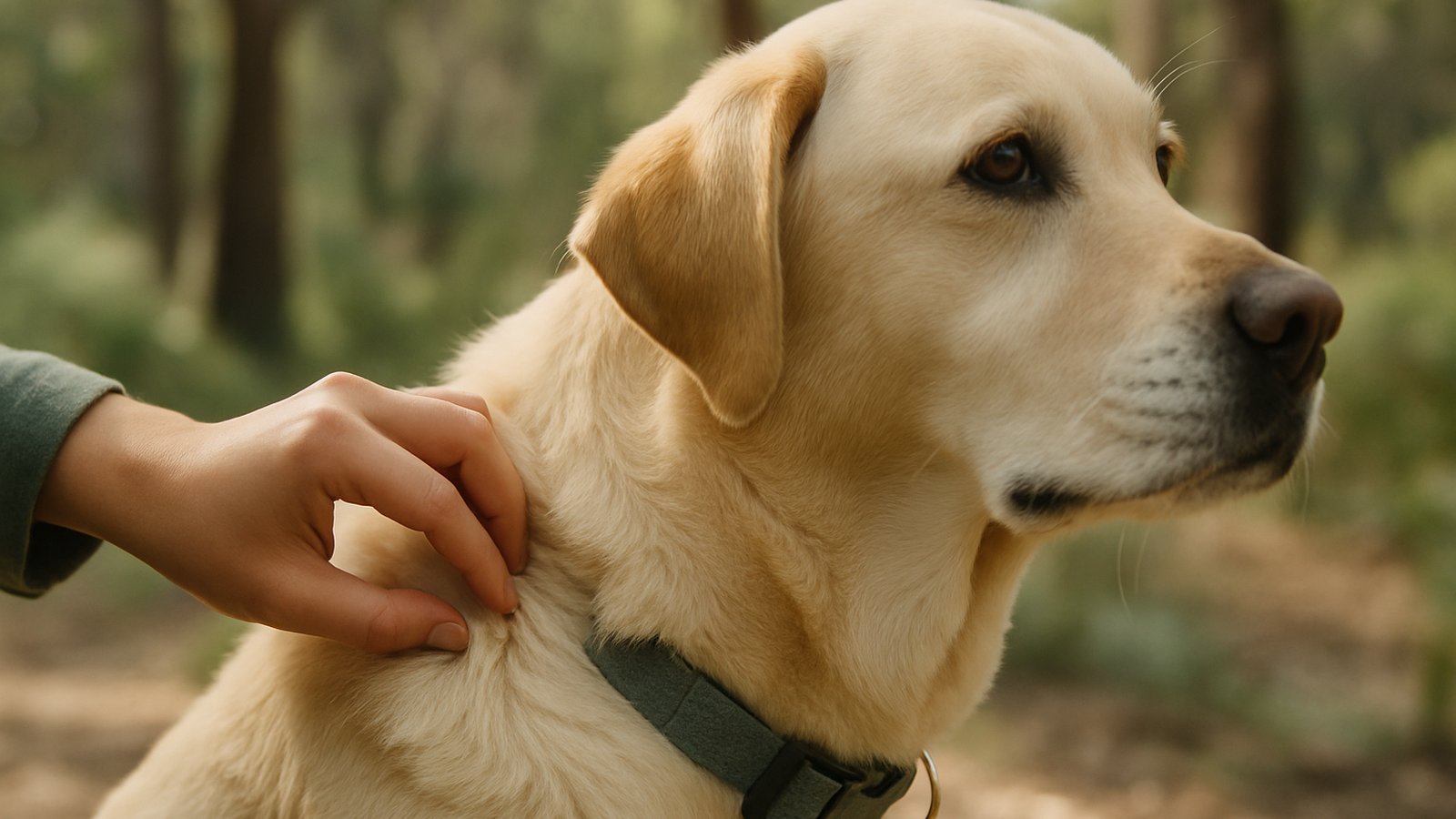
- Check your dog after every walk. Especially if you've been near bushland, paws, ears, neck, armpits, groin, between toes. Same routine catches grass seeds and ticks.
- Know your nearest emergency vet. Save the number in your phone before you need it. Drive past once so you know the route.
- Ask local groups for vet recommendations. Northern Beaches Mums, suburb-specific community pages, and dog-walking groups all have firsthand knowledge of which clinics shine.
- Budget for emergency care. A paralysis tick treatment can hit $5,000+. The vet payment plans guide covers options if you're not ready with savings or insurance.
- Microchip and register. Local councils across the Northern Beaches require dogs and cats to be microchipped and registered, do it on first visit.
- Cat owners, keep cats indoors at night. Reduces wildlife predation, fight wounds, road accidents, and snake encounters. (And the cats sleep better. They will pretend otherwise.)
- Plan for storms and lockdowns. Have a couple of weeks of medications on hand. The peninsula has had power-outage and access issues during severe weather; vet supplies don't always restock immediately.
The Northern Beaches is a great place to be a pet owner, beaches, parks, bushwalks, and a strong dog-friendly culture. Knowing the local risks and getting set up with the right vet, the right prevention, and the right emergency plan makes the difference between a great pet life and a stressful one. The find a vet guide covers picking a clinic if you're new to the area.
Live up here long enough and you'll know someone whose dog had a paralysis tick. Get the prevention right and stay out of that statistic. The peninsula is generous to pets that are looked after properly. We do not list or review specific clinics, for personalised veterinary advice, consult a registered vet practising in the area.