Dog grooming in Australia, costs, frequency, and why you don't shave a husky
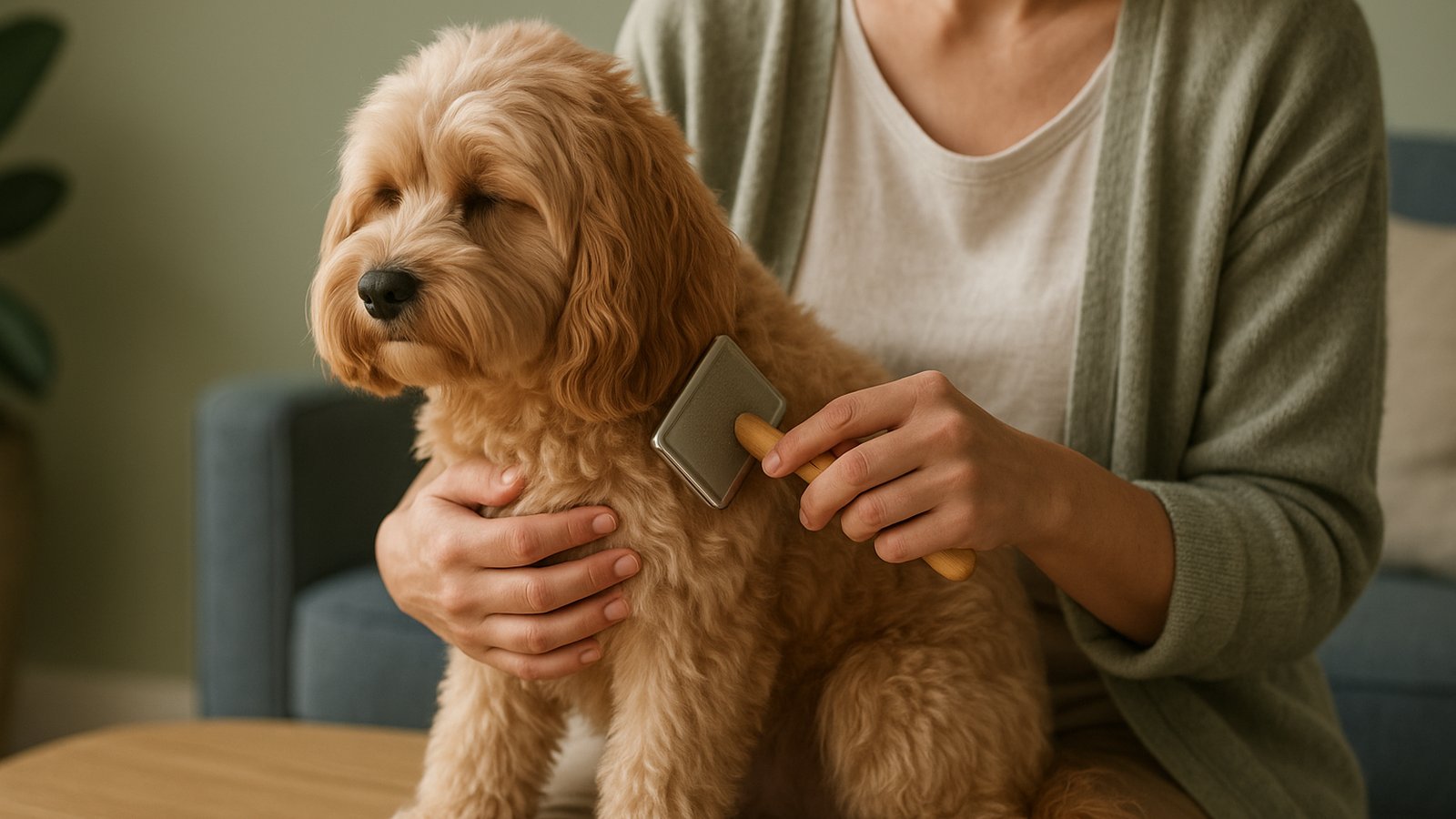
Grooming isn't a luxury. For most dogs in Australia it's basic care. A poodle's coat keeps growing until it mats. A husky's undercoat blows in spring and turns the house into a snow globe. A bulldog's skin folds breed bacteria without weekly attention. Below: what good grooming looks like by coat type, what it costs, and when to use a salon, a mobile groomer, or do it yourself with a slicker brush and a hopeful attitude.
How often, by coat type
- Smooth coats (Staffy, Boxer, Beagle, Whippet): wash every 6 to 8 weeks, weekly brushing. Easiest dogs in Australia to groom, they basically maintain themselves.
- Double coats (Golden Retriever, Labrador, Husky, German Shepherd, Border Collie): brush 2 to 3 times a week, full wash every 6 to 8 weeks. Heavy de-shedding sessions in spring and autumn, when the undercoat blows, it doesn't ask permission.
- Curly and wavy coats (Poodle, Cavoodle, Labradoodle, Bichon, Cocker Spaniel): full groom every 4 to 6 weeks. Brush every 2 to 3 days between visits or it mats. (The doodle promise is "low-shedding". The doodle reality is "high-grooming". Pick one.)
- Wire coats (Schnauzer, Wire Fox Terrier, Border Terrier): clip or hand-strip every 6 to 10 weeks. Weekly brushing.
- Long coats (Maltese, Shih Tzu, Yorkshire Terrier, Lhasa Apso): daily brushing if kept long, full groom every 4 to 6 weeks. Most owners go with a shorter cut for practicality.
Right frequency also depends on lifestyle. A bushwalking Cavoodle needs grooming more often than one that lives indoors. A swimming Labrador needs more washing than a couch-dwelling one. Adjust to your actual dog.
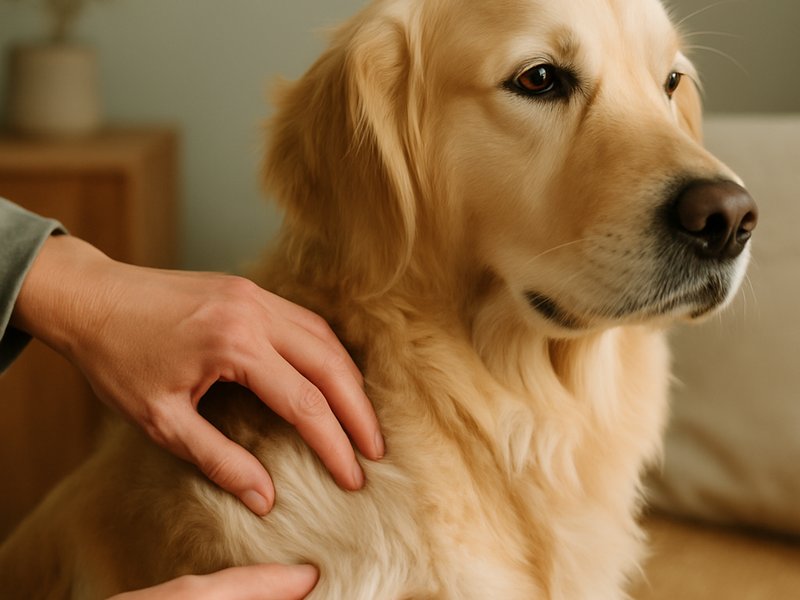
Dog grooming at home vs professional groomer
Stick with home grooming if
- Your dog has a smooth or short coat
- You're confident bathing and brushing
- You only need maintenance between salon visits
- Your dog tolerates handling well
Use a professional if
- You have a curly, wavy or long-coated breed that needs clipping
- Your dog has serious matting
- You're not comfortable with nail trimming, ear cleaning or anal gland expression
- Your dog needs hand-stripping (a specific technique that takes training)
- Your dog is anxious, a calm, experienced groomer often handles them better than you can in a chaotic bathroom
Most owners settle on a hybrid, professional grooming every 6 weeks for clipping and finish, regular brushing and the occasional wash at home in between. Your bathroom appreciates the rest.
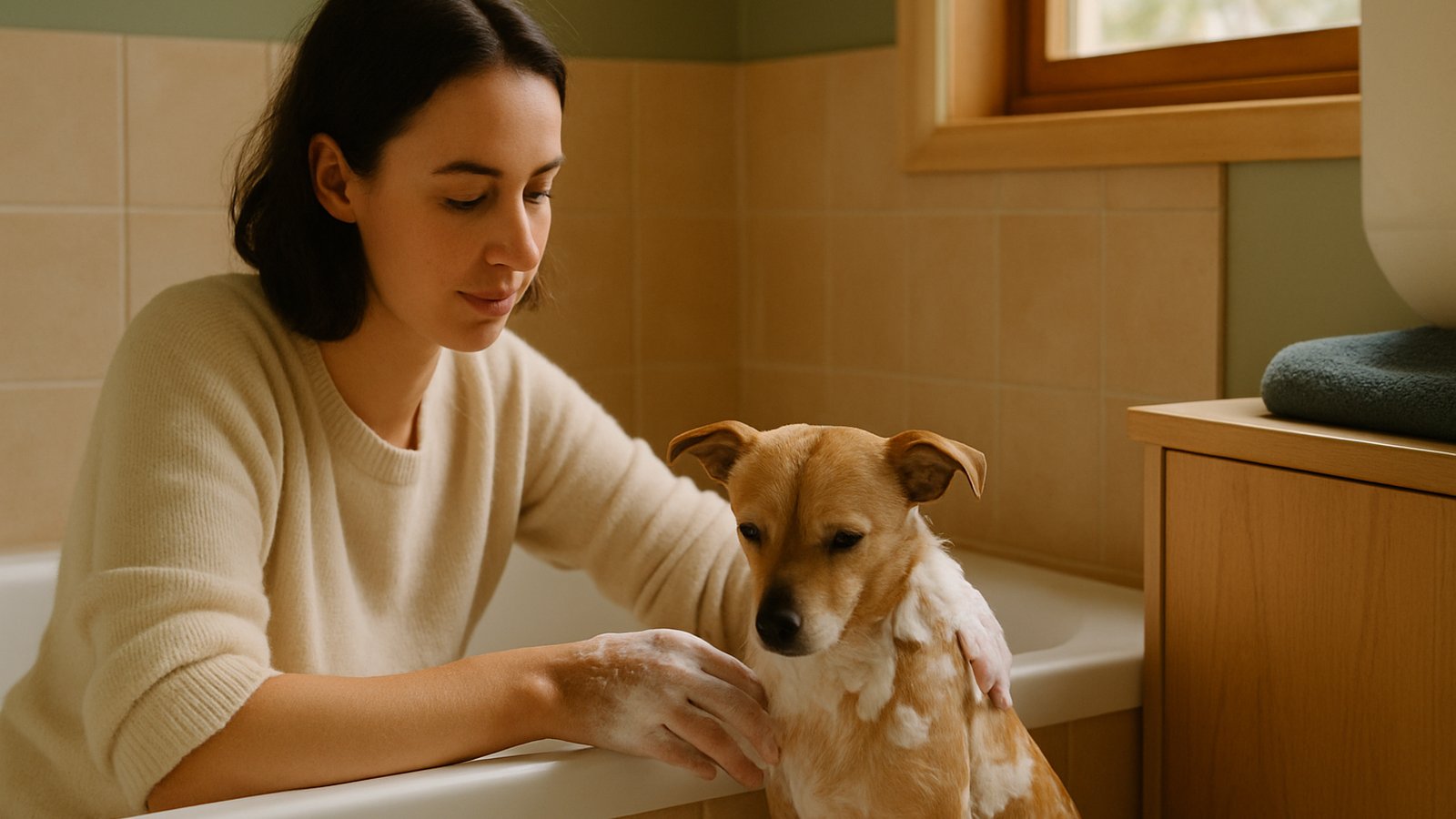
Mobile dog grooming, how it works
Mobile dog groomers operate from a fully fitted-out van that pulls up at your home. The van has a hydrobath, dryer, grooming table, clippers, scissors, and clean water. Your dog is groomed in the van while you stay home.
Why owners use mobile
- No drop-off and pick-up, saves a couple of hours
- One-on-one with the groomer, no other dogs around (better for anxious dogs)
- The dog is home before they have time to stress
- No barking salon, no waiting in a kennel
- Useful if you have multiple dogs that can be groomed in one visit
Why some owners prefer salons
- Cheaper than mobile
- Salons can have specialist equipment for very large or specific breeds
- For some highly social dogs, the salon environment is enjoyable (yes, those dogs exist)
Mobile grooming is one of the fastest-growing services in Australian pet care. In Sydney, Melbourne and Brisbane, most suburbs have multiple mobile groomers competing, quality varies wildly. Read reviews before booking. (The same applies to mobile vets, by the way.)
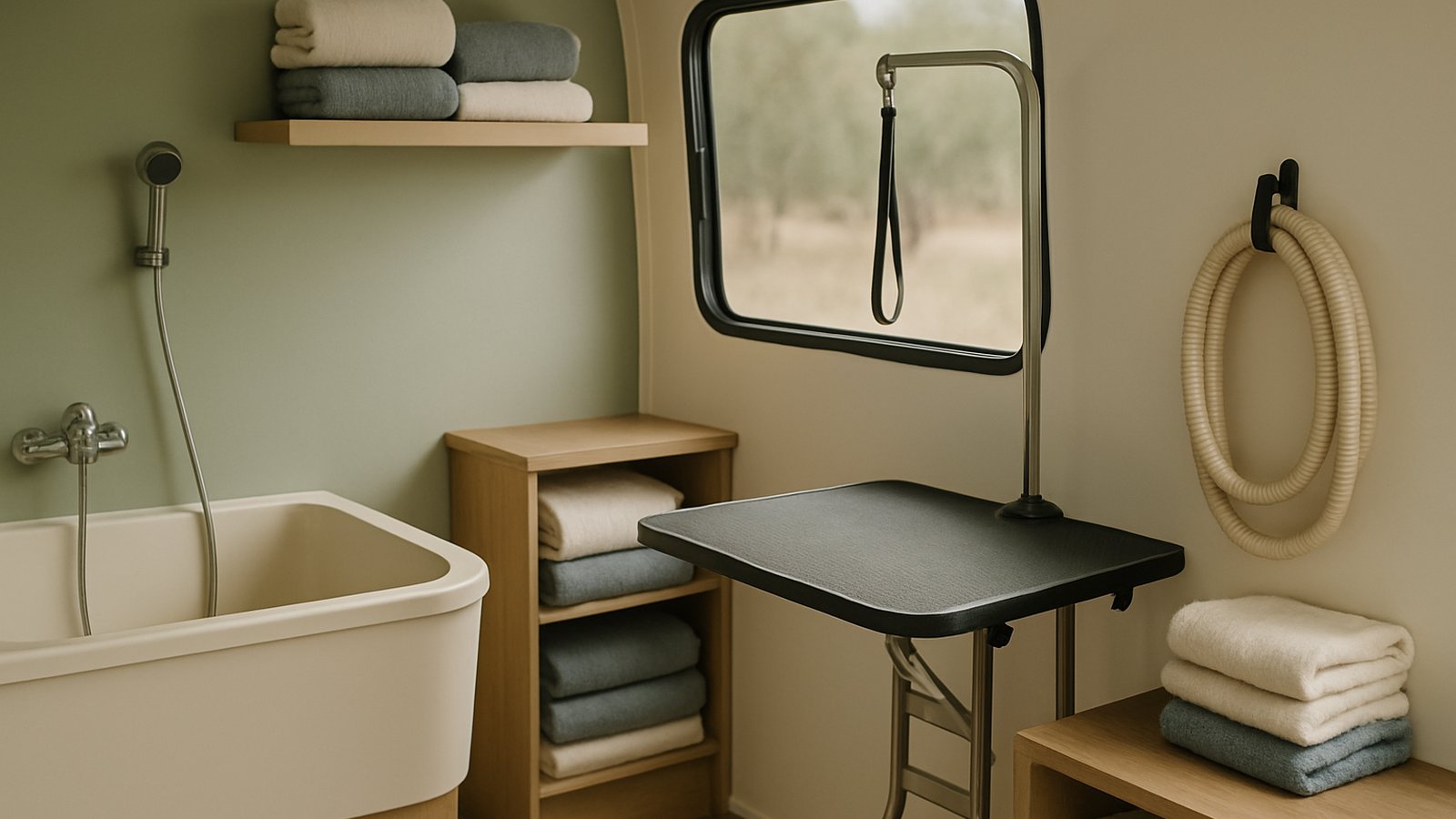
Honest costs
| Service | Small dog | Medium | Large |
|---|---|---|---|
| Wash, dry, basic tidy | $50 – $80 | $70 – $110 | $100 – $160 |
| Full groom (clip, scissor, finish) | $80 – $130 | $110 – $180 | $150 – $250 |
| De-shedding treatment | $60 – $100 | $90 – $140 | $140 – $220 |
| Mobile grooming surcharge | +$20 to $50 | ||
| Severely matted coat surcharge | +$30 to $100 (or shave-down required) | ||
| Nail clip only | $15 to $30 | ||
Designer breeds (Cavoodles, Labradoodles, Groodles) often cost more because their coats are demanding to clip well. Some groomers charge extra for "doodle cut" finishes. Fair enough, they earn it.
If your dog is matted, expect a shave-down rather than a brush-out. Brushing out severe matting is painful for the dog and unsafe, a good groomer will clip short and start fresh, no matter how cute the long coat looked. Don't take it personally.
What actually happens at a groom
- Initial assessment. The groomer checks coat condition, listens to your preferences, and discusses what's possible.
- Pre-clip and brush-out. Mats and tangles removed before bathing.
- Bath. Gentle dog-specific shampoo, possibly conditioner. Eye and ear care during the wash.
- Drying. High-velocity dryer or kennel dryer.
- Nail clip. Trim and file.
- Ear clean. Visible ear hair plucked or clipped if appropriate, ear canals wiped.
- Anal gland check. Expressed if needed (a debated practice, some groomers do it routinely, some only if the dog shows signs).
- Clipping or scissoring. Breed-appropriate or owner-requested cut.
- Finish. Final tidy, brush-out, sometimes a light spritz.
A good groomer tells you anything they noticed, lumps, hot spots, infected ears, broken nails, fleas, or odd behaviour. Many serious health issues are first picked up by groomers, not vets, simply because groomers spend more time touching and looking at the whole body. Worth its weight in dental cleanings.
Coat-specific notes
Double coat
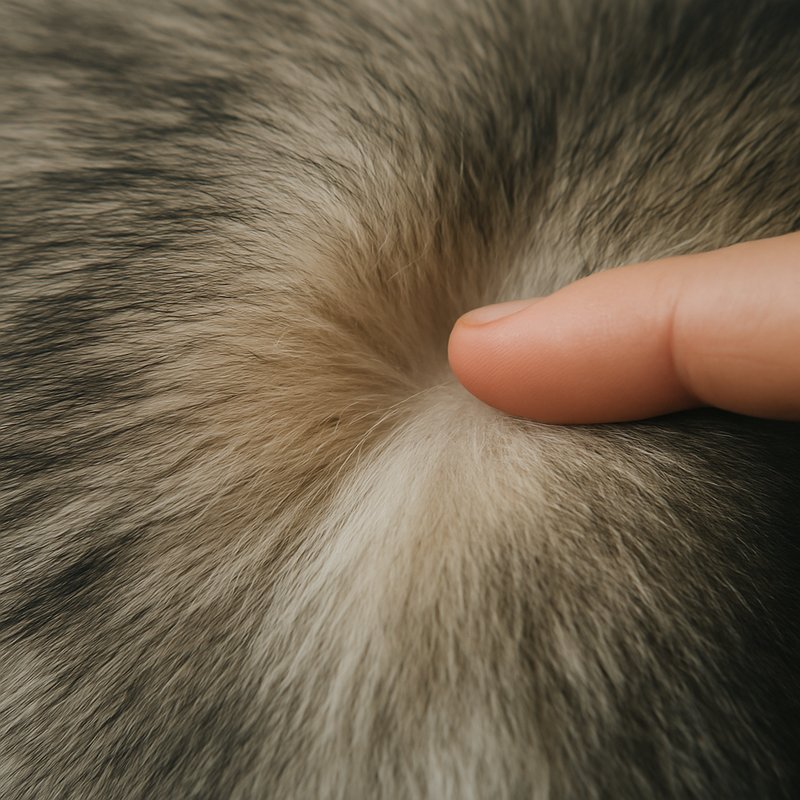
Double-coated breeds (Goldens, Labs, Huskies, German Shepherds, Border Collies, Australian Shepherds) have a soft, dense undercoat beneath a longer top coat. Don't shave them in summer. The double coat insulates against heat as well as cold. Shaving exposes pink skin to UV and damages regrowth. What they need is regular brushing, especially during seasonal shed (spring and autumn), and de-shedding treatments at the groomer to remove loose undercoat. Every summer, a kindly meaning owner shaves their husky and writes to vets in horror six weeks later. Don't be that owner.
Curly and wavy coats
Poodles, Cavoodles, Labradoodles, Spoodles, Groodles, Bichons. These coats grow continuously and don't shed much. Without grooming, they mat against the skin within weeks. Owners of doodle breeds who don't budget for grooming end up with shaved-down dogs every 6 weeks plus a coat that never reaches its potential. The teddy bear cut requires consistent brushing between groomer visits, set a calendar reminder if you must.
Wire coats
Schnauzers, Wire Fox Terriers, Border Terriers, Airedales, Wire-haired Dachshunds. Wire coats are traditionally hand-stripped, old hairs pulled out individually to make way for new growth, preserving texture and colour. Most pet owners choose clipping instead for cost and convenience, which softens the coat over time. Either is fine for a pet.
Smooth coats
Staffies, Boxers, Greyhounds, Whippets, French Bulldogs. Lower maintenance, a weekly brush with a rubber curry comb removes loose hair, plus a wash every 6 to 8 weeks. The skin folds on French Bulldogs and Pugs need daily wiping (they grow charming-looking yeast like a science experiment).
Long, silky coats
Maltese, Shih Tzu, Yorkshire Terrier, Lhasa Apso, Cocker Spaniel. Magazine-perfect long coats require daily brushing. Most owners go for a shorter cut every 6 weeks instead. There's no shame in this, a happy, comfortable dog beats a show coat that mats.
Signs your dog needs grooming
- Visible matting, especially behind ears, under armpits, around the collar
- Long nails that click on tiles or curl back into the pad
- Hair growing into the eyes
- Bad smell, could be skin, ears, anal glands, or just dirty coat
- Excessive scratching at the ears or shaking head
- Hair around the bottom causing toilet hygiene issues, exactly as fun as it sounds
- Dirt and debris stuck in long coats, a frequent grass seed entry point in Australian summers (see the grass seeds in dogs guide)
- Visible ear wax or red, inflamed ears, could mean ear mites or infection
Finding a good groomer
Green flags
- Photographs of past work showing breed-appropriate cuts
- Membership of the Pet Industry Association of Australia (PIAA) or similar
- Willing to do a meet-and-greet before booking nervous dogs
- Clear pricing structure
- Honest about what they can and can't handle (e.g., aggressive dogs, very large dogs)
- Refers serious skin or ear issues to a vet rather than treating them
Red flags
- Returns your dog with razor burn or nicks
- Your dog is wet, distressed, or shaved without consultation
- Won't show photos of past work
- Drops your dog at a different time than agreed without explanation
- Sedation offered as a default rather than a vet-supervised exception
If your dog comes home distressed two visits in a row, find a different groomer. Bad grooming experiences create life-long anxiety that costs money to undo.
Tools for home
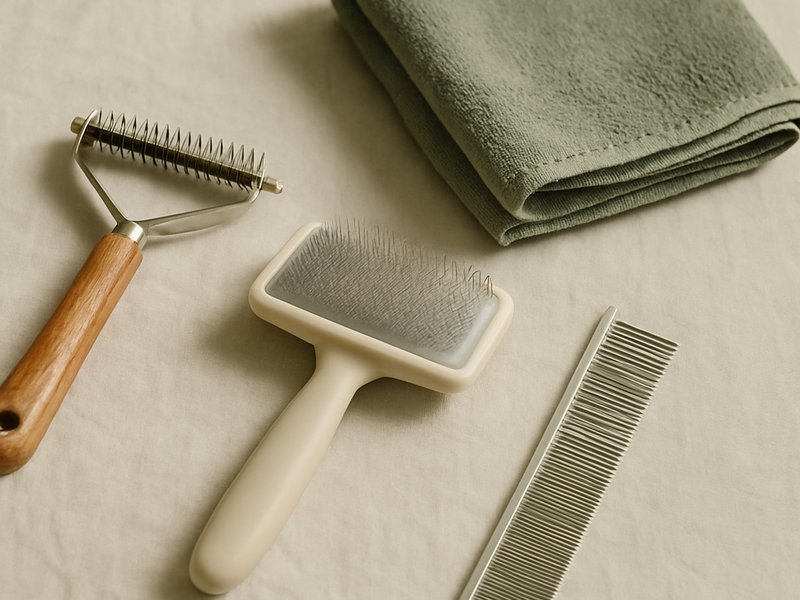
- Slicker brush, for medium and long coats
- Pin brush, for finishing, less harsh on skin
- Rubber curry brush, for short coats and de-shedding smooth-coated dogs
- Undercoat rake, for double-coated breeds, especially during shedding seasons
- Stainless steel comb, to find hidden mats
- Nail clippers or grinder, choose what you and your dog tolerate
- Dog-specific shampoo, pH-balanced for dogs (human shampoo is too harsh)
- Microfibre or absorbent towels
- Ear cleaner, only if your dog is prone to ear issues, otherwise leave them alone
Skip the cheap clippers. Bad clippers tug, overheat, and make a fearful dog. If you're going to clip at home regularly, invest in a quality clipper set and watch a few breed-specific tutorials before starting. Or don't, the $130 you save is the $300 you spend at the groomer fixing it.
Straight answers
How often should I bathe my dog at home?
Most healthy dogs need a wash every 6 to 8 weeks. Over-bathing strips natural skin oils. Dogs with skin conditions may need medicated washes more often, on vet advice.
Do I need to brush a Cavoodle every day?
Most Cavoodles need brushing every 2 to 3 days. Curly and wavy coats mat fast, once a mat forms close to the skin, it has to be clipped out. Daily brushing isn't strictly necessary, but going more than 4 days between brushes gets risky.
Should I shave my husky in summer?
No. The double coat protects from sun and heat. Shaving exposes skin to UV, can cause permanent coat damage, and removes the body's natural cooling system. De-shedding regularly is the right approach. We will keep saying this until every husky owner in Australia hears us.
What do I do if my dog hates grooming?
Build tolerance gradually with positive associations, treats during brushing, short sessions, no force. For severe anxiety, a calm professional groomer (often a mobile one) can be transformative.
Should I express my dog's anal glands myself?
Generally no. Most healthy dogs naturally express their anal glands during normal toileting. Express only when there's a real reason (scooting, fishy smell). Routine expression can sometimes cause more issues than it solves. Ask your vet.
My groomer found a lump, what now?
See your vet. Don't panic, most lumps in dogs are benign, but every new lump deserves a check. Groomers find lumps early because they touch every part of the dog, which is one of the underrated benefits of regular grooming.
Grooming kept up properly is the cheapest health insurance you'll buy. A clean, brushed dog with trimmed nails and clean ears is a dog whose vet visits will be shorter and rarer. Information here is general; for dogs with skin conditions, allergies or behavioural issues, work with your registered veterinarian and an experienced groomer together.